ICONIC COLLECTION
WE DESIGNED DOORS THAT WE WANT OTHERS TO COPY.
BECAUSE THAT’S HOW ICONS ARE BORN.
THE ICONIC COLLECTION IS OUR MANIFESTO.
We believe that doors can be designed with the same ambition as furniture, lighting or architectural elements. If this original collection inspires others, we will consider it the greatest compliment. Now discover which doors suit you best. Not necessarily your interior. Throughout the ICONIC collection, we follow the modernist principle that form always follows construction. We return to the timeless principles that have shaped design for centuries, focusing on rhythm, proportion and harmony. No unnecessary decoration. No visual noise. No unnecessary flourishes. Because doors are part of architecture. They stay with you for years. They should not dominate an interior. They should help shape it, not compete with it.

PULSAR Doors
What if light entered your interior like a tiny pulsating star?
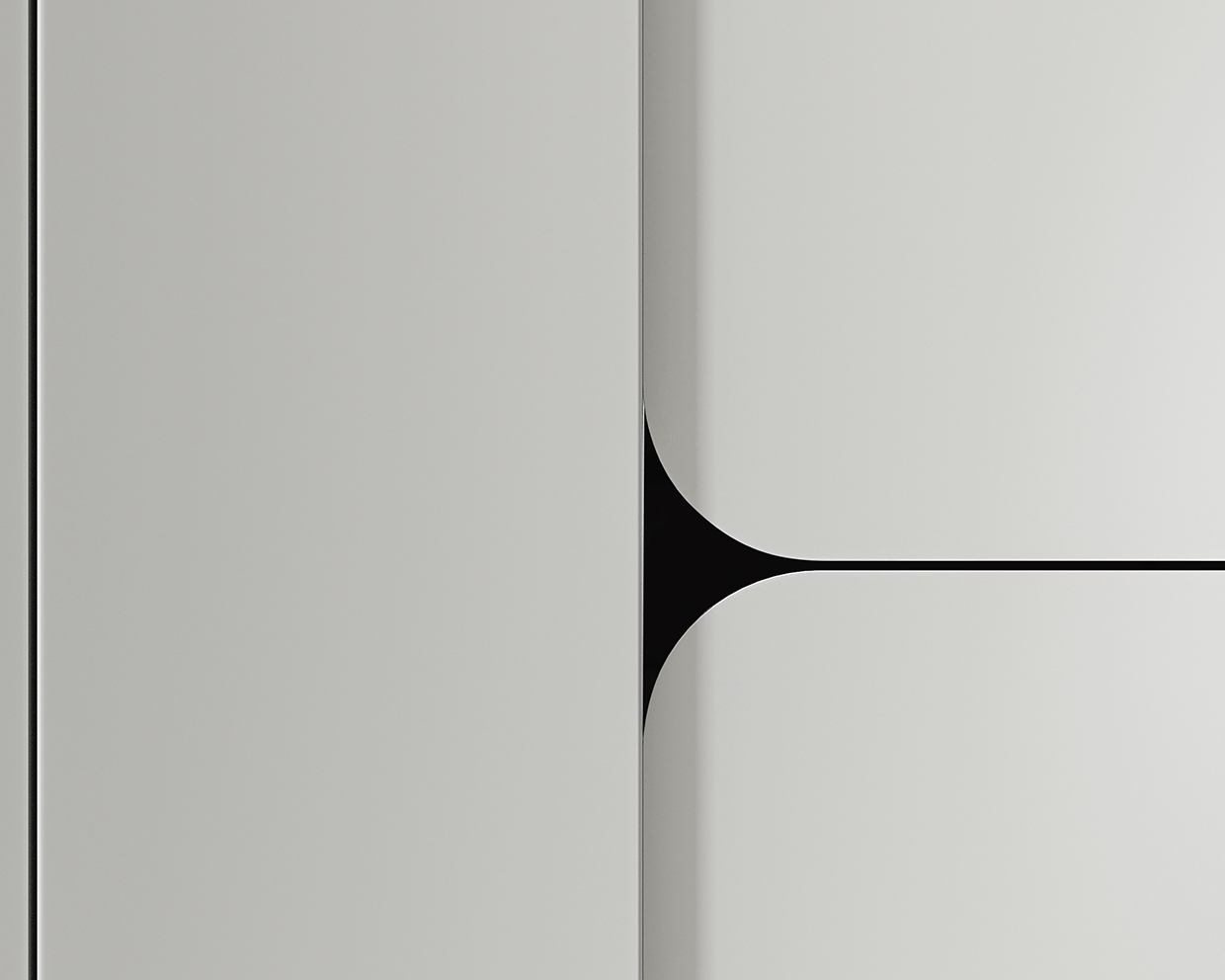
The defining feature of this design is its distinctive ornament, formed at the intersection of several surfaces, where gentle rays guide the eye towards a single point. When the black panel is replaced with glass or a mirror, the detail begins to interact with light, changing throughout the day and depending on the viewing angle. It is a carefully designed, pulsating gesture. A decorative feature created not by adding details, but by removing material.
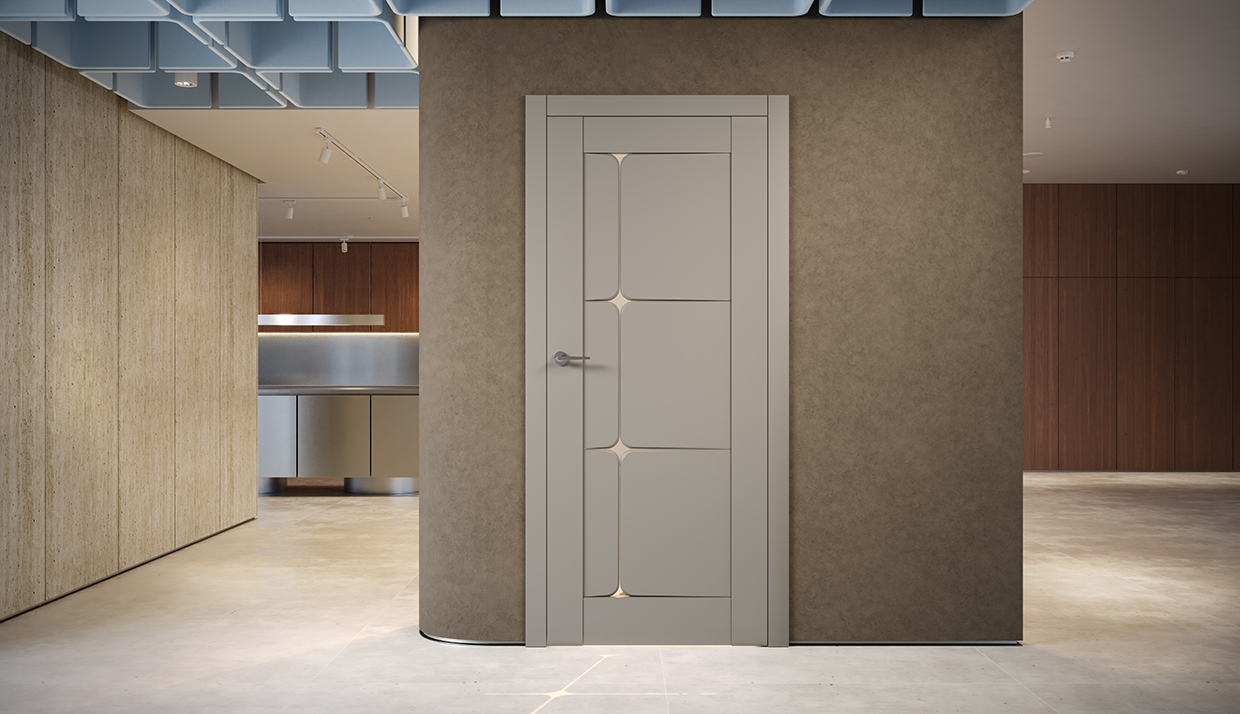
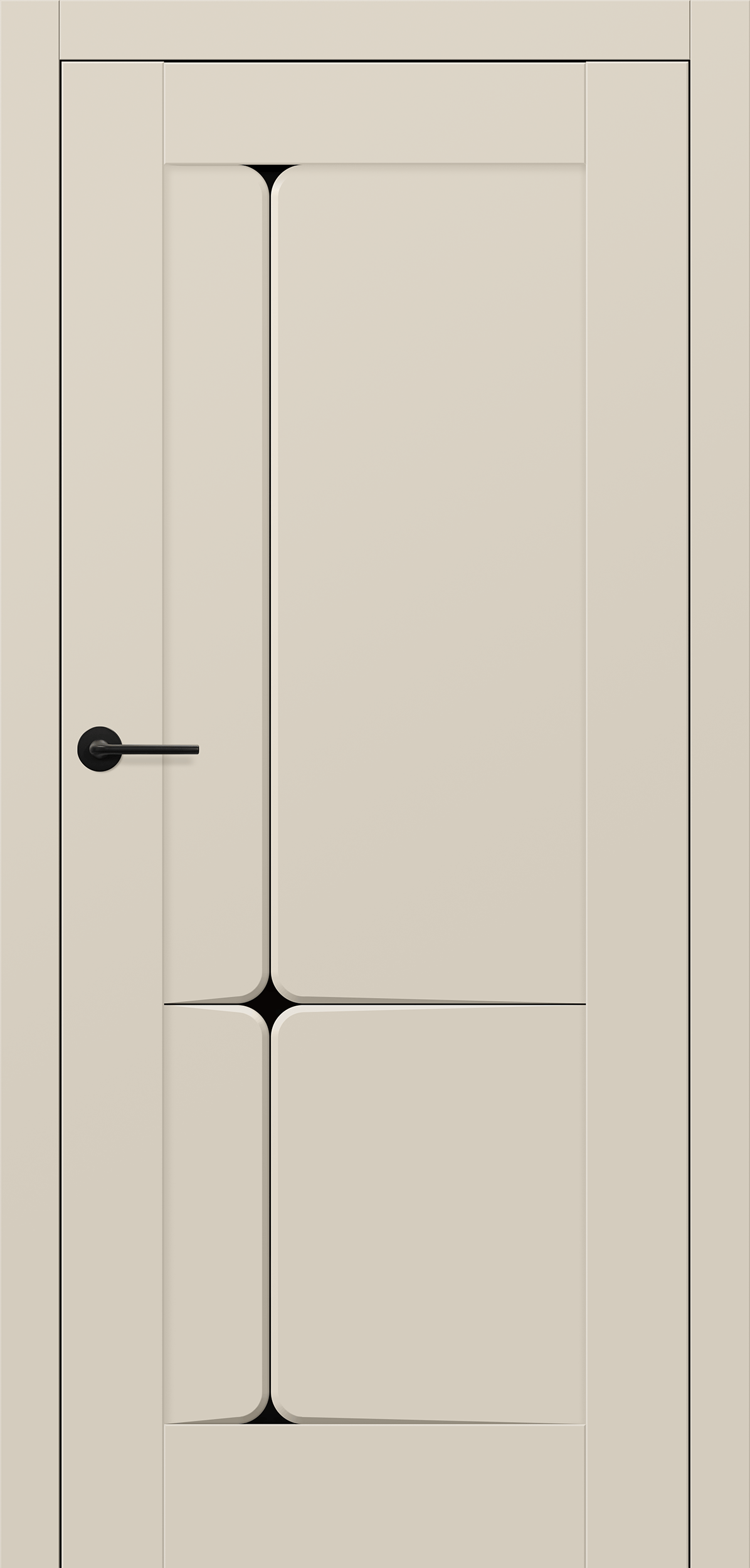
PULSAR.1
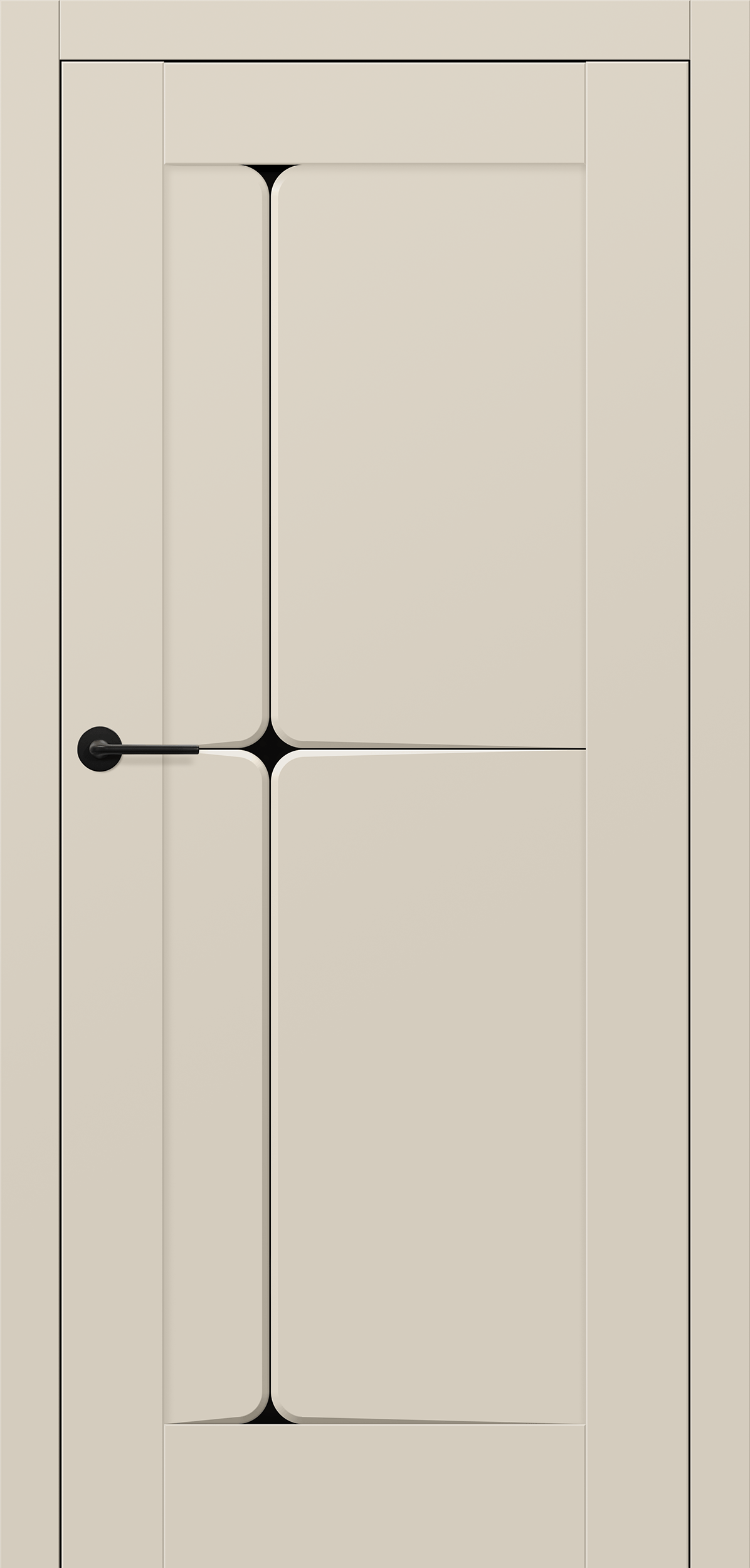
PULSAR.2

PULSAR.3
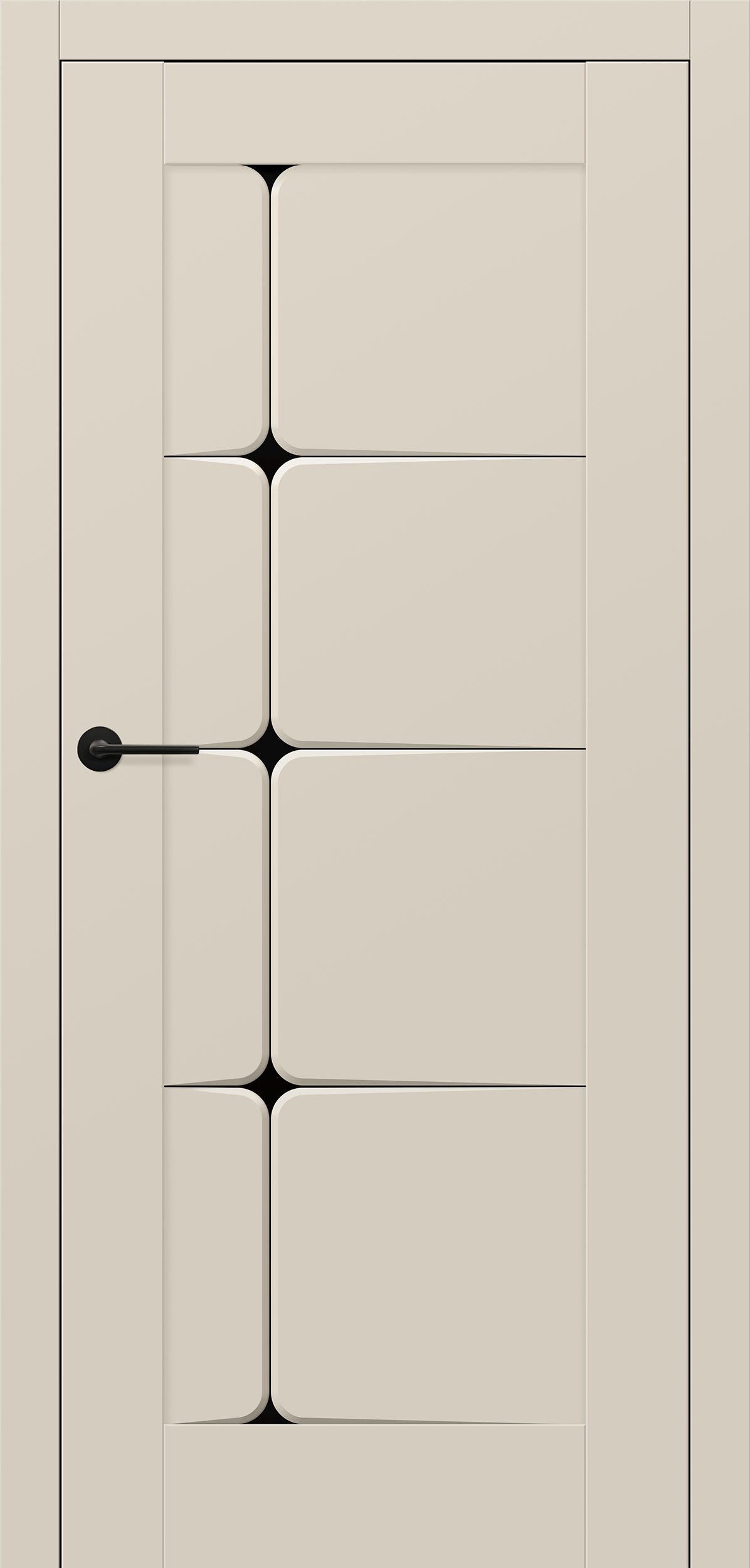
PULSAR.4
KUMIKO Doors
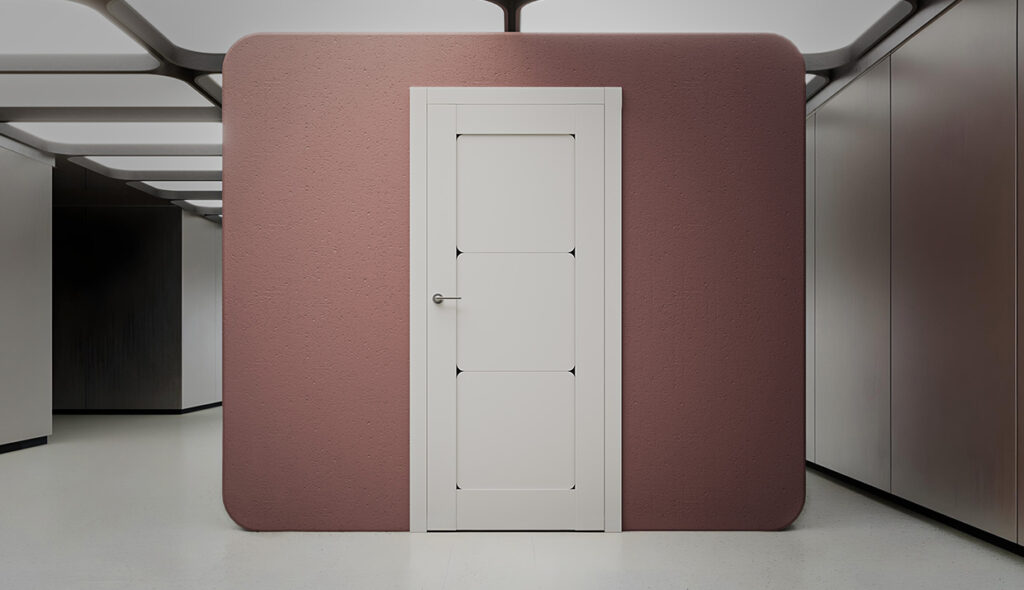
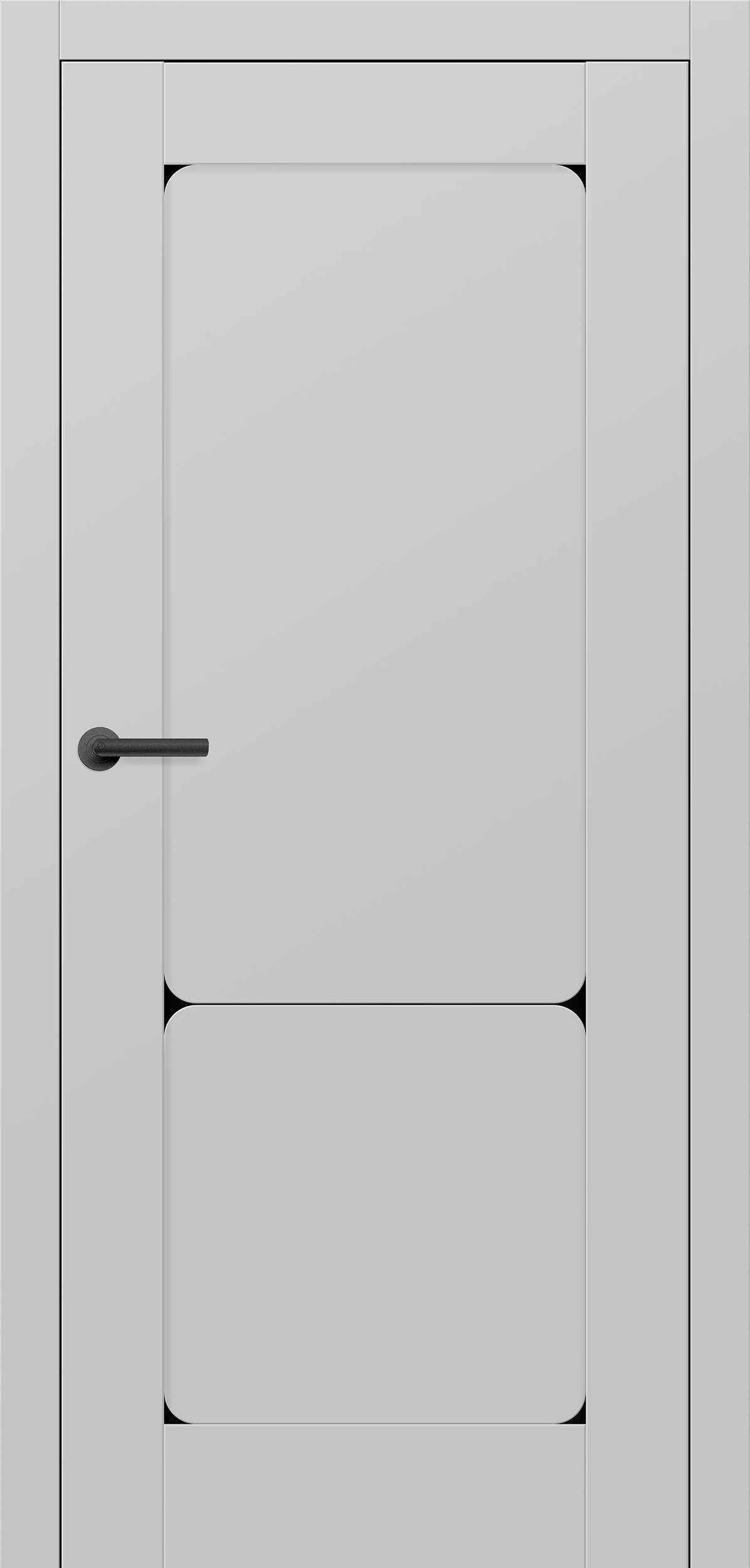
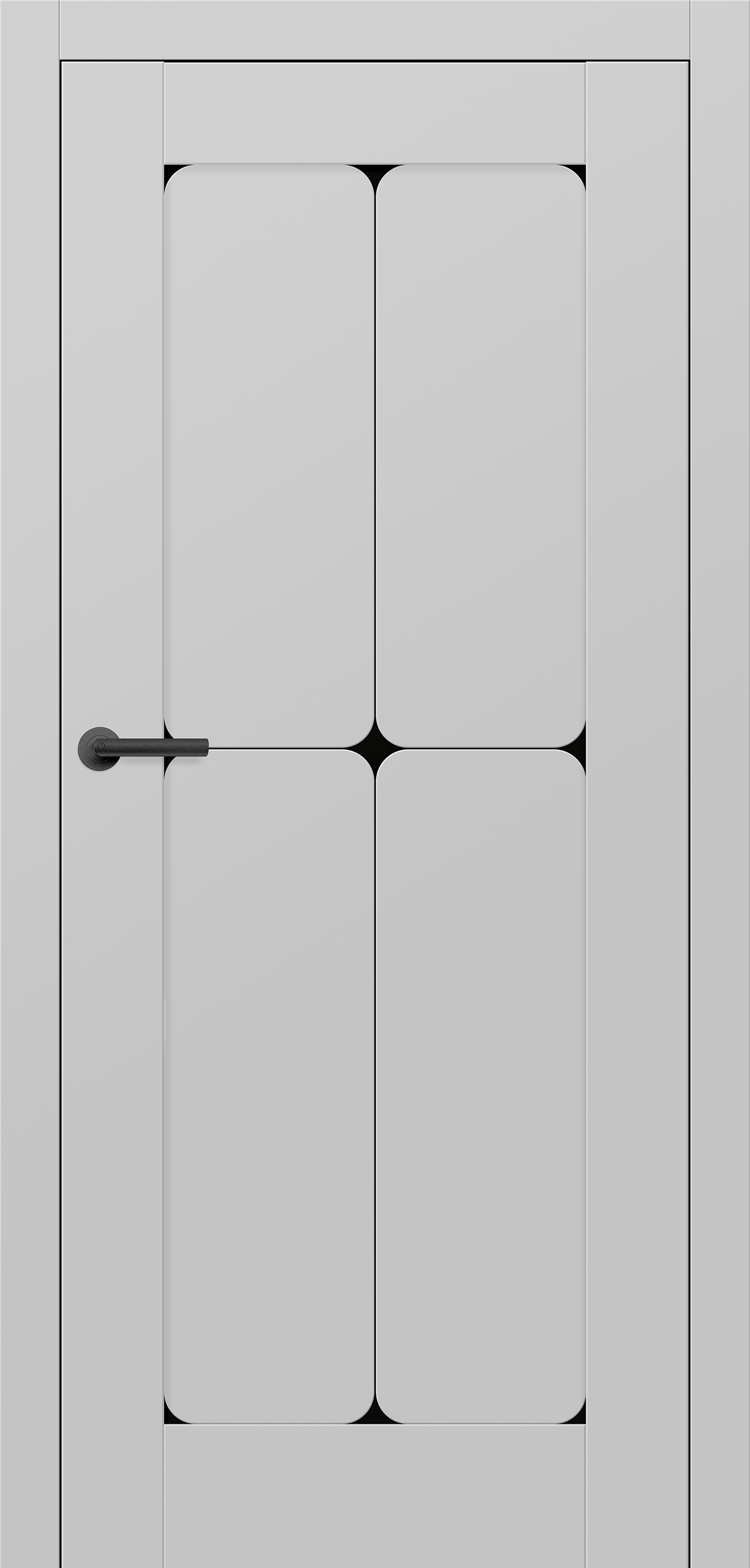
What if the greatest decoration in an interior was a sense of order?
This design was born from the belief that rhythm and proportion can shape a space just as effectively as ornamentation. Repeating modules create a balanced composition that does not dominate the interior but brings a sense of order to it. A minimalist form designed for interiors that do not rely on fleeting trends.
KUMIKO.1

KUMIKO.2
KUMIKO.3
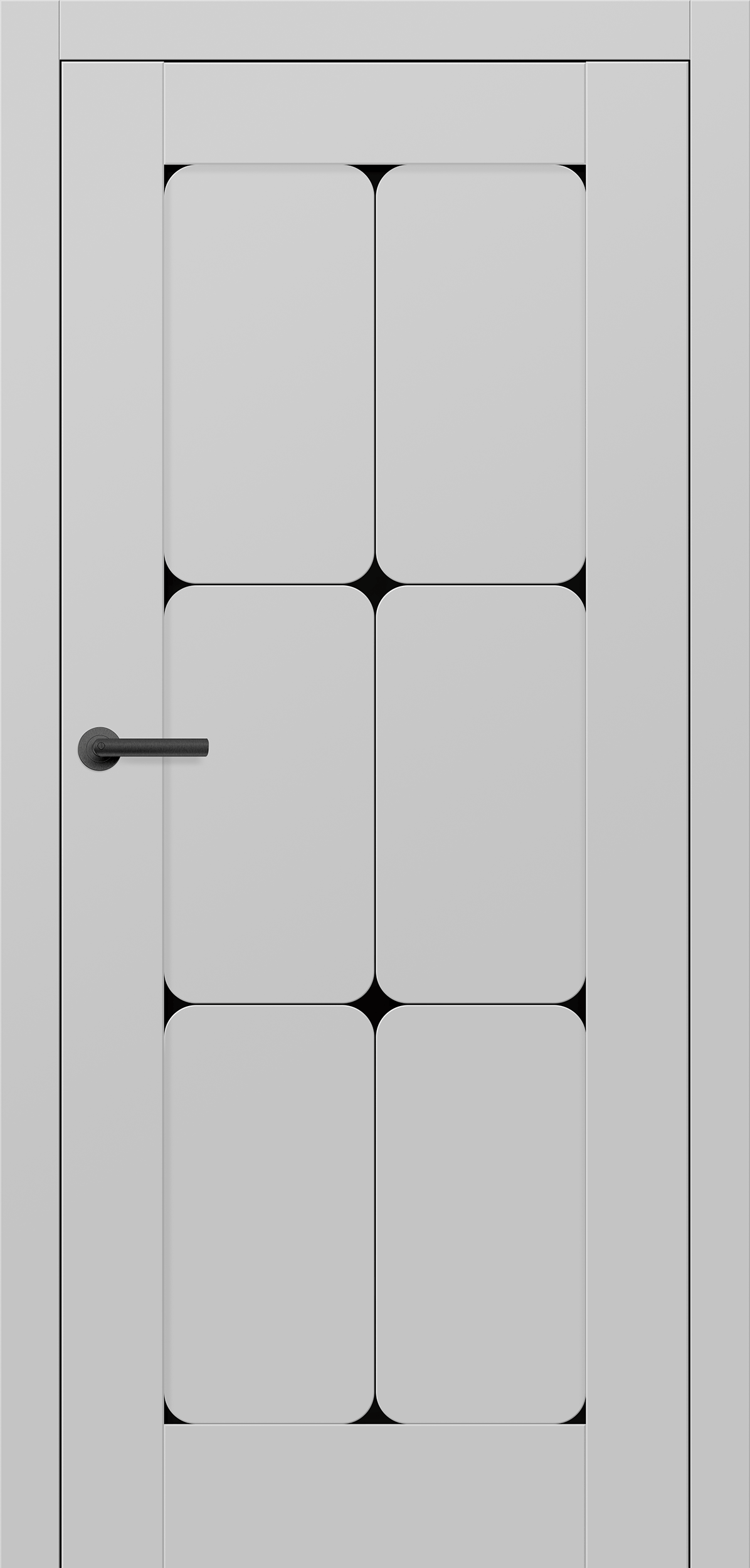
KUMIKO.4

SLIT Doors
What if the character of a door was defined not by the material itself, but by the gaps between its elements?
Contemporary design is increasingly moving away from decoration in favour of precisely crafted connections. It is the gap between individual elements that allows light to trace contours, reveal proportions and highlight the quality of craftsmanship. This design follows the same philosophy. The narrow gap between the profiles creates a fine black line that brings order and balance to the entire composition.
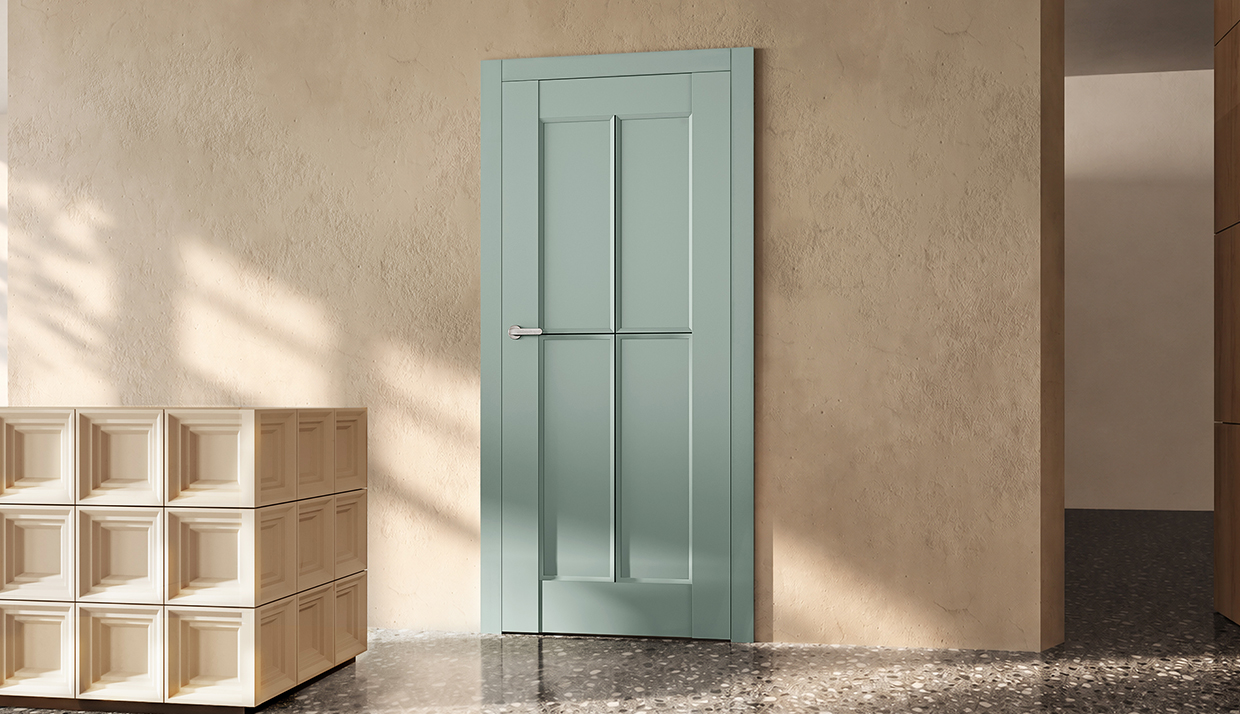

SLIT.1
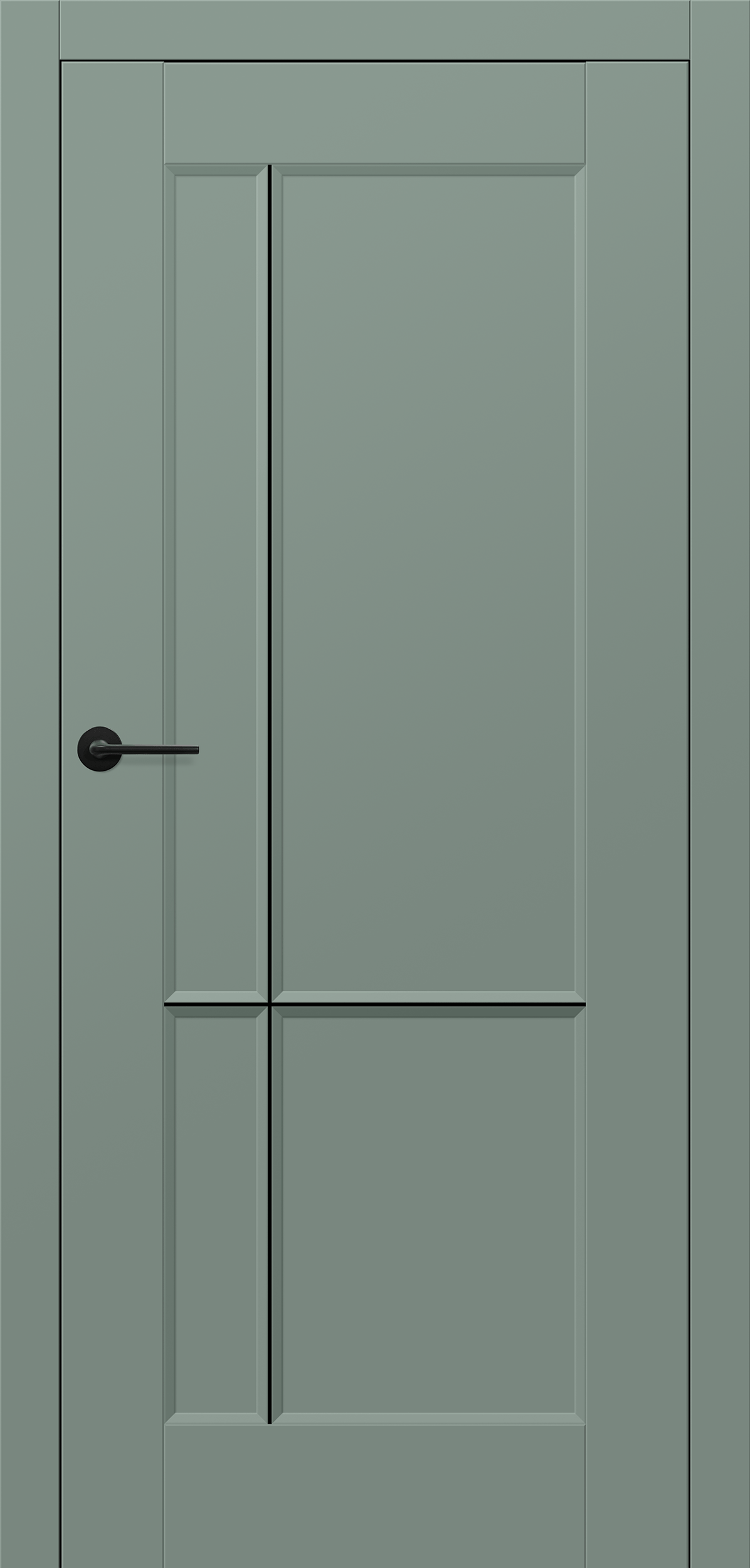
SLIT.2
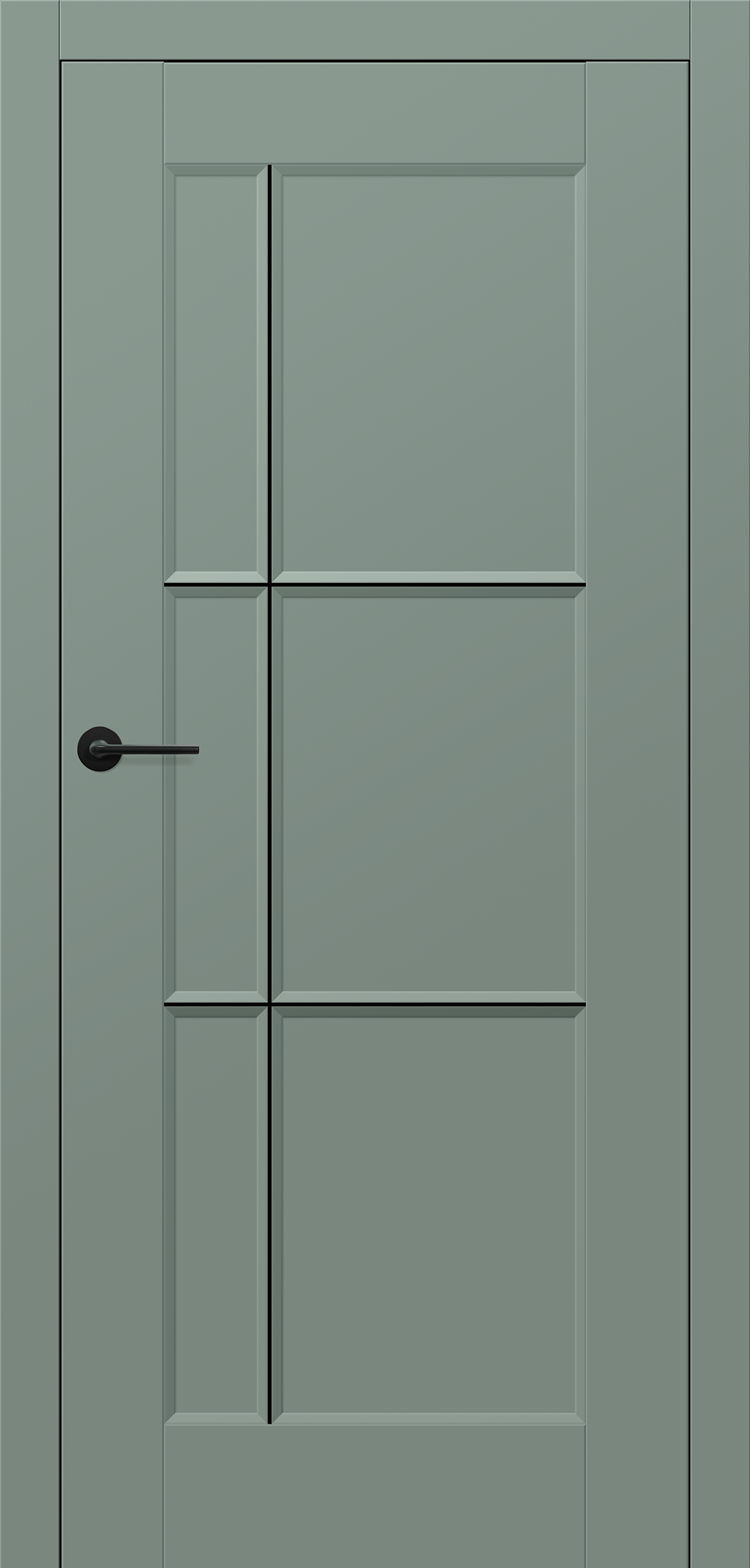
SLIT.3

SLIT.4
Discover the AURA range of door frame accessories
AURA
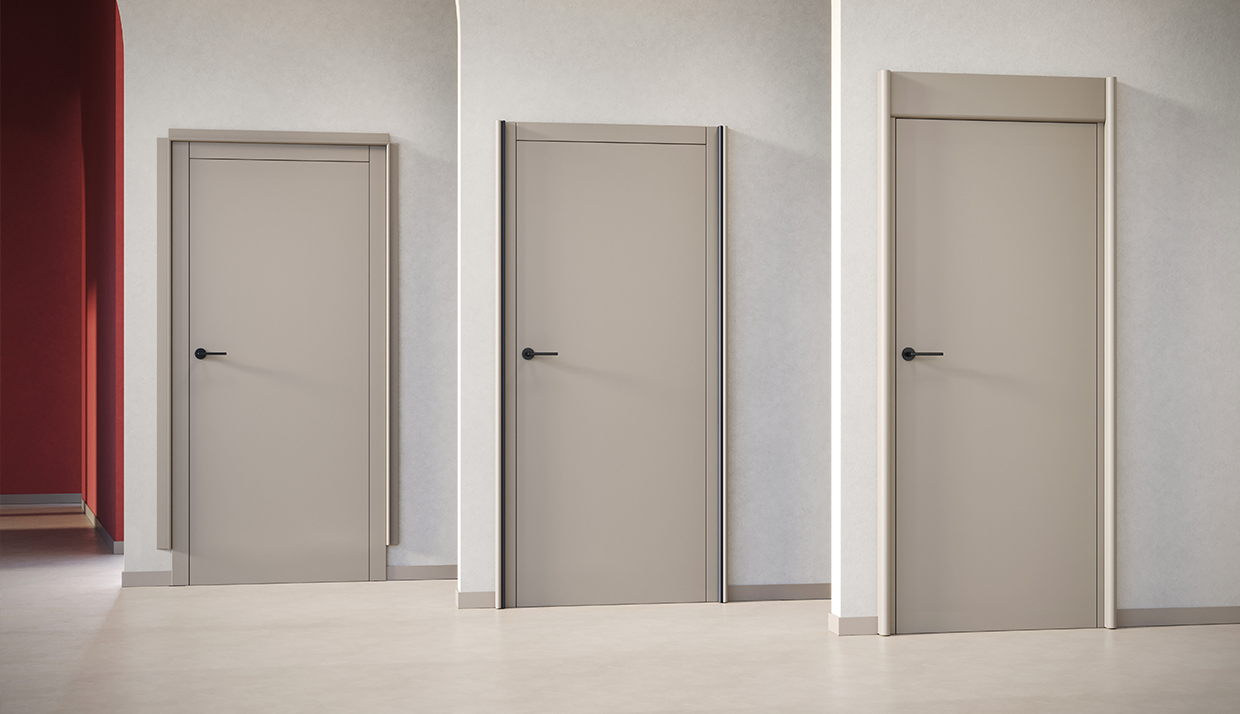
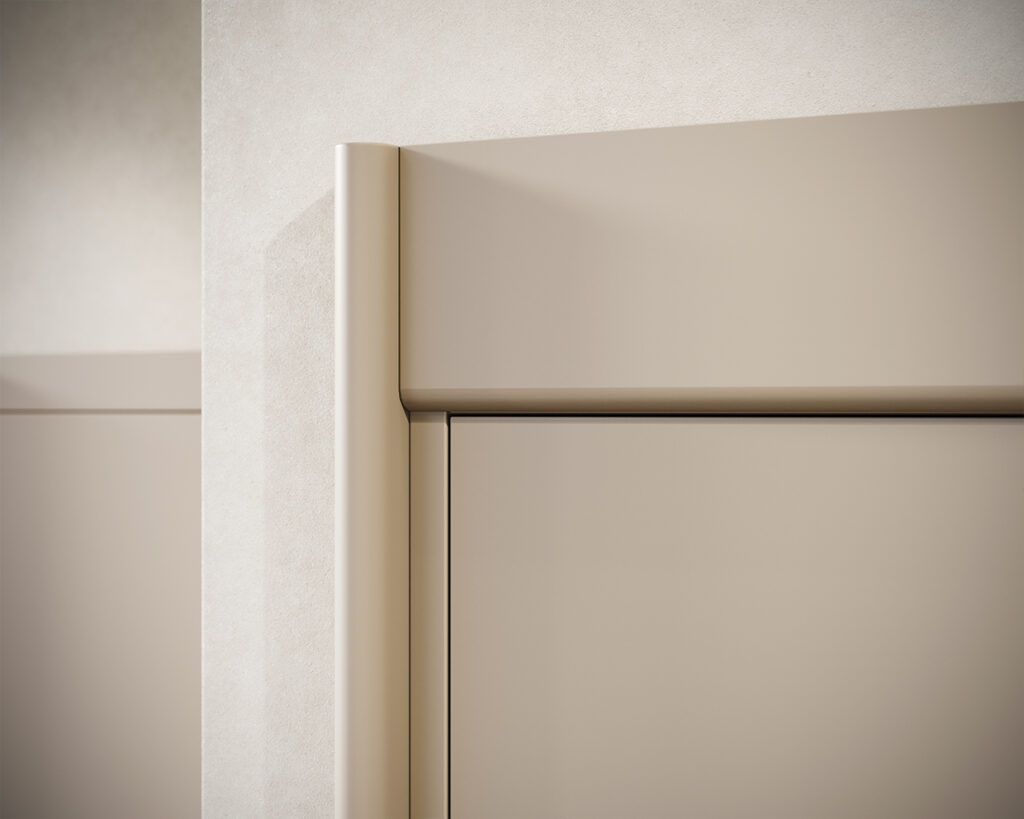
AURA 1
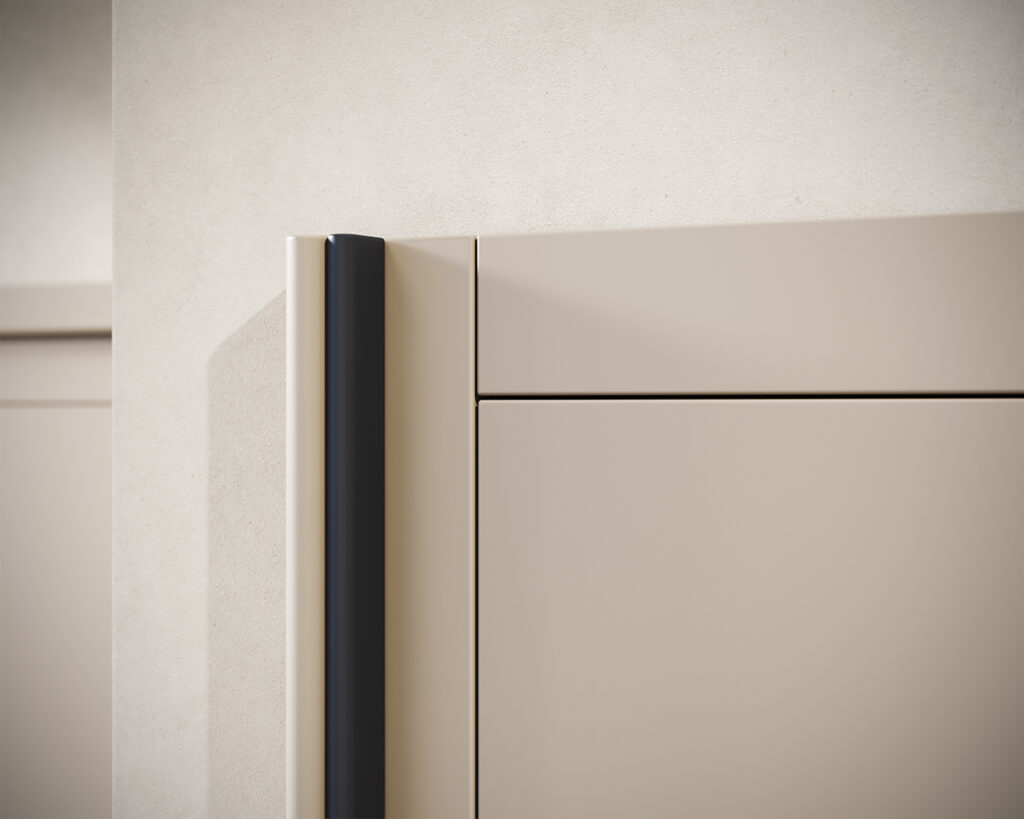
AURA 2
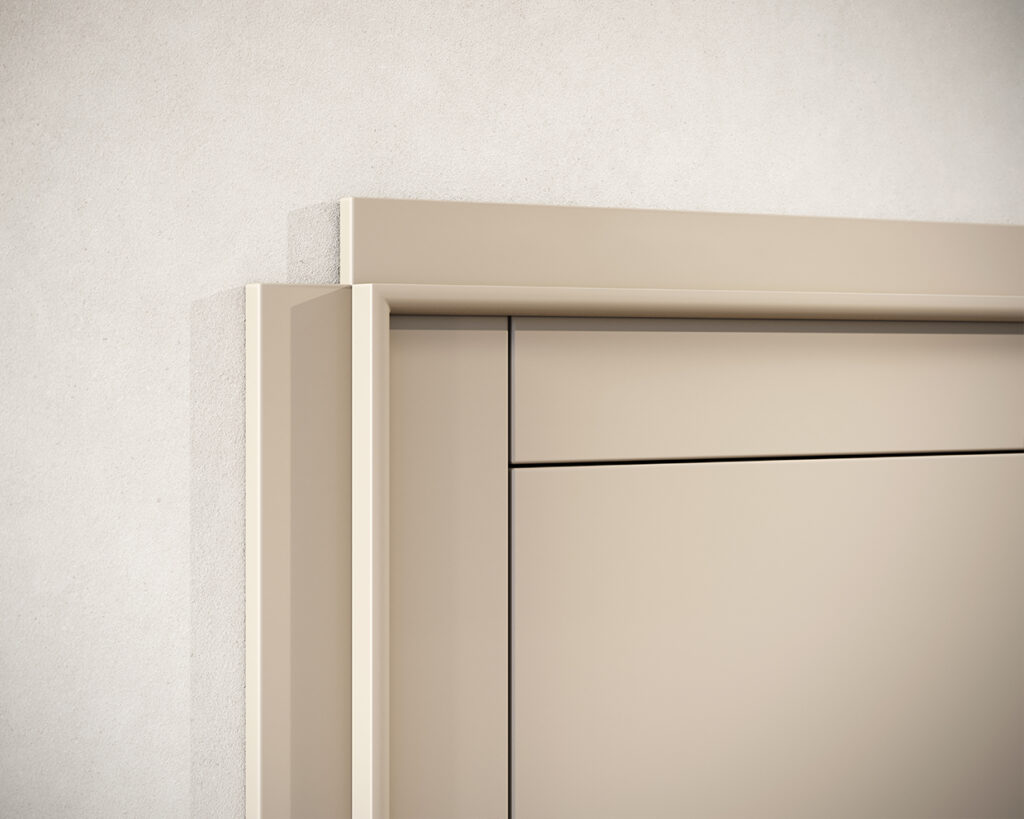
AURA 3
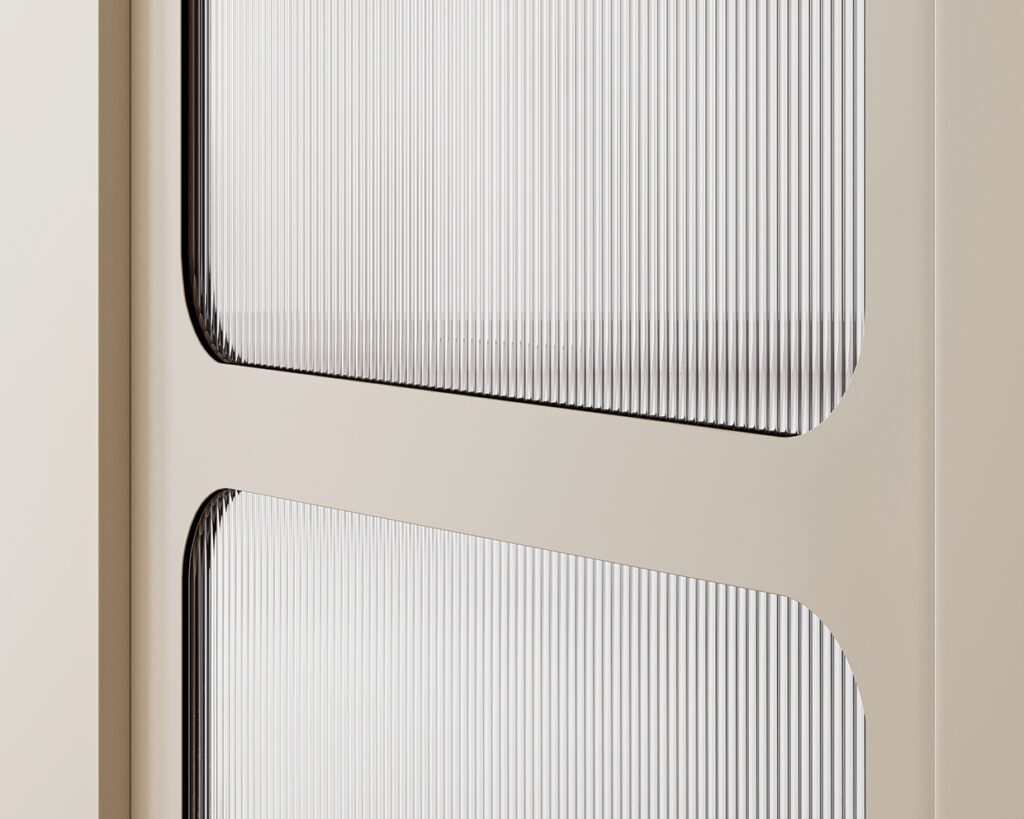
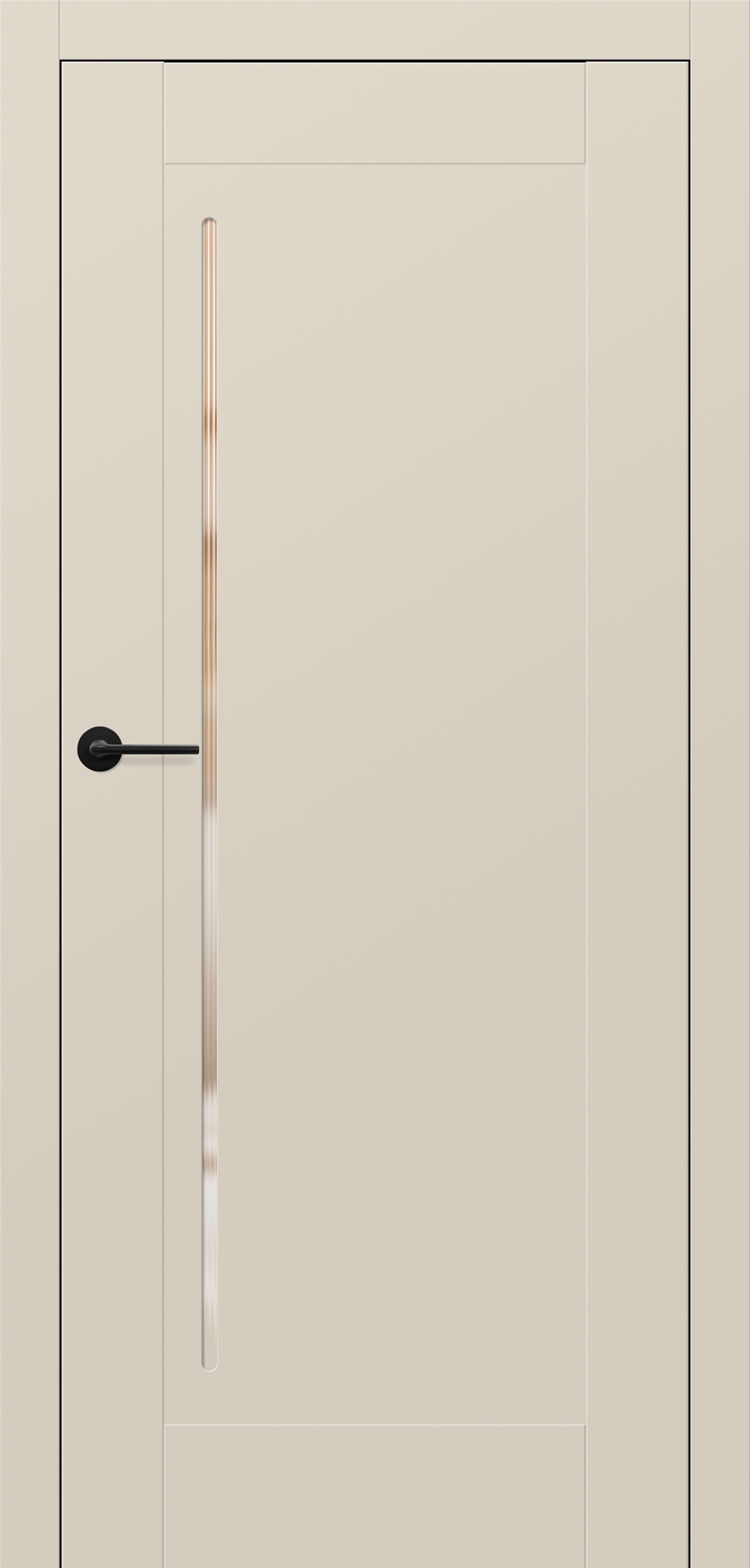
BLUR Doors
What if doors did not separate spaces, but subtly connected them?
BLUR was designed around the idea of light and images flowing between rooms. Soft lines and rounded glazed openings draw inspiration from the interiors of ocean liners, where a fascination with movement and modernity was expressed through streamlined geometry. The striking glass does not reveal everything at once. Instead, it filters the view, softens the light and transforms the perception of space depending on the viewing angle.
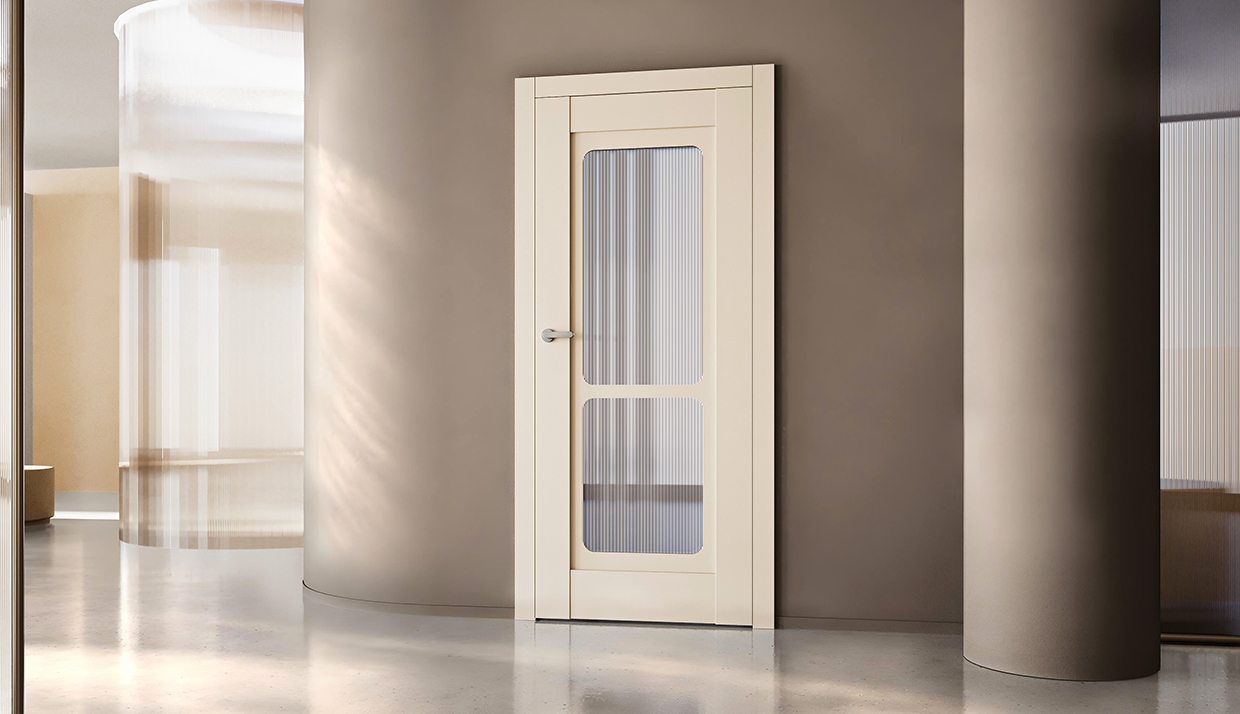

BLUR.1
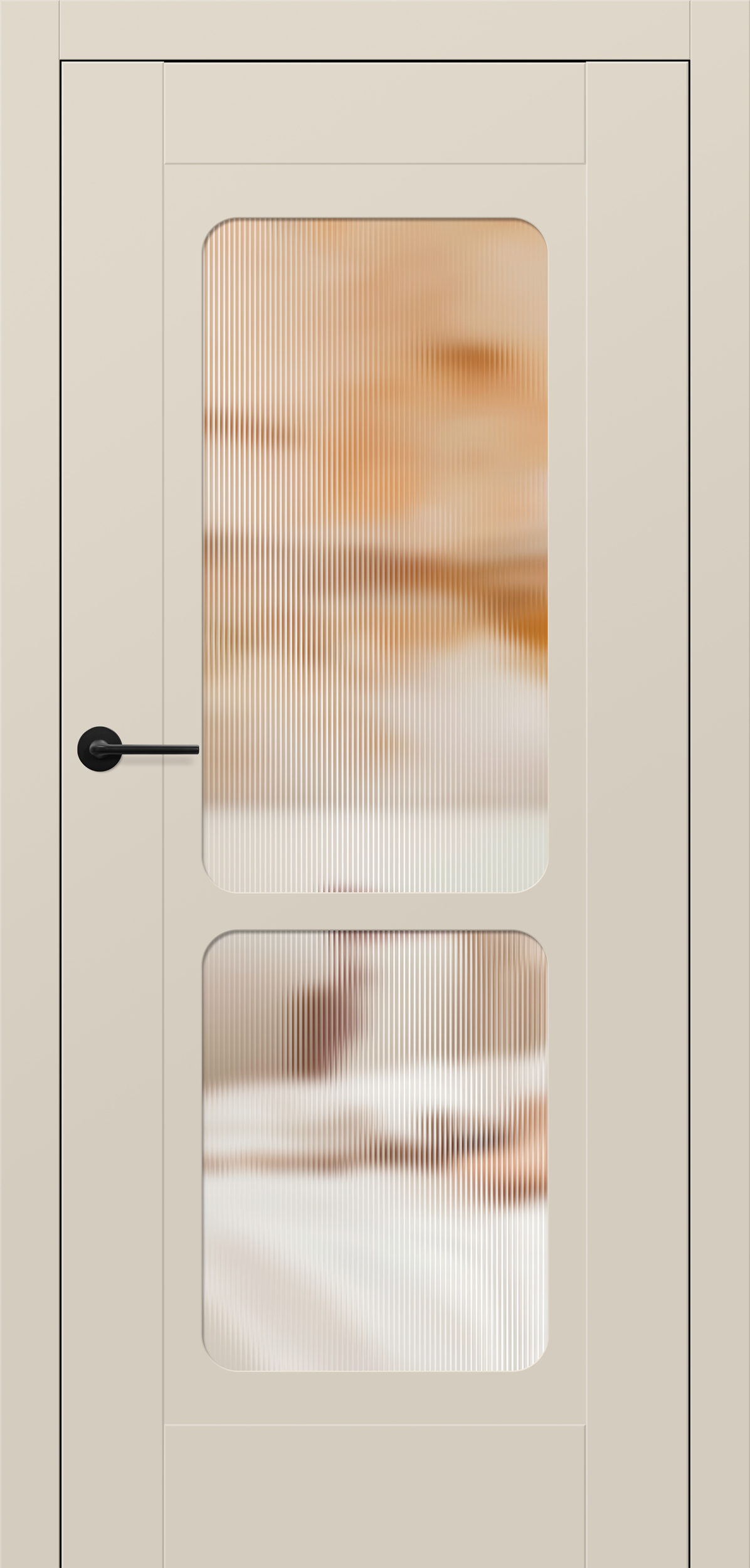
BLUR2
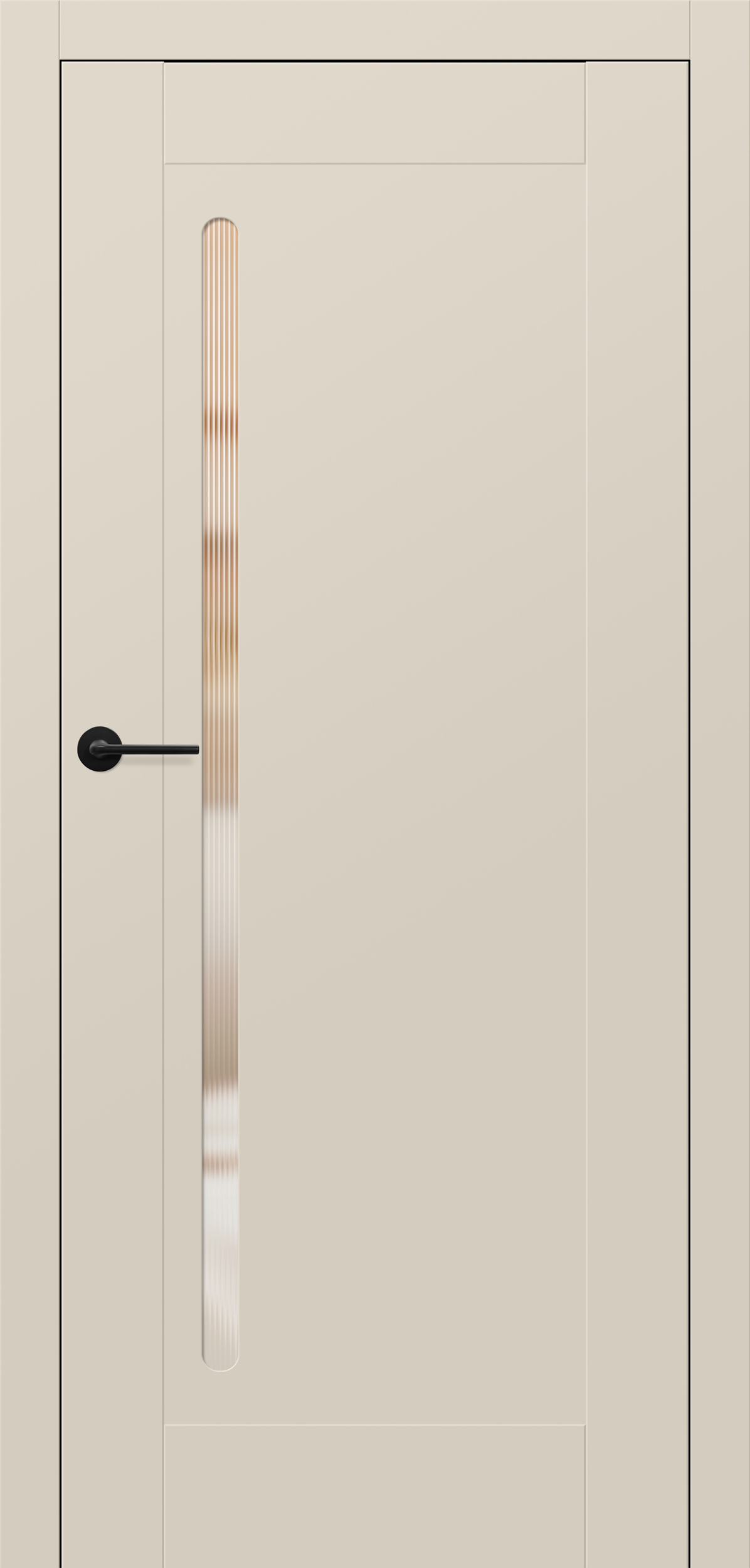
BLUR.3
BLUR.4
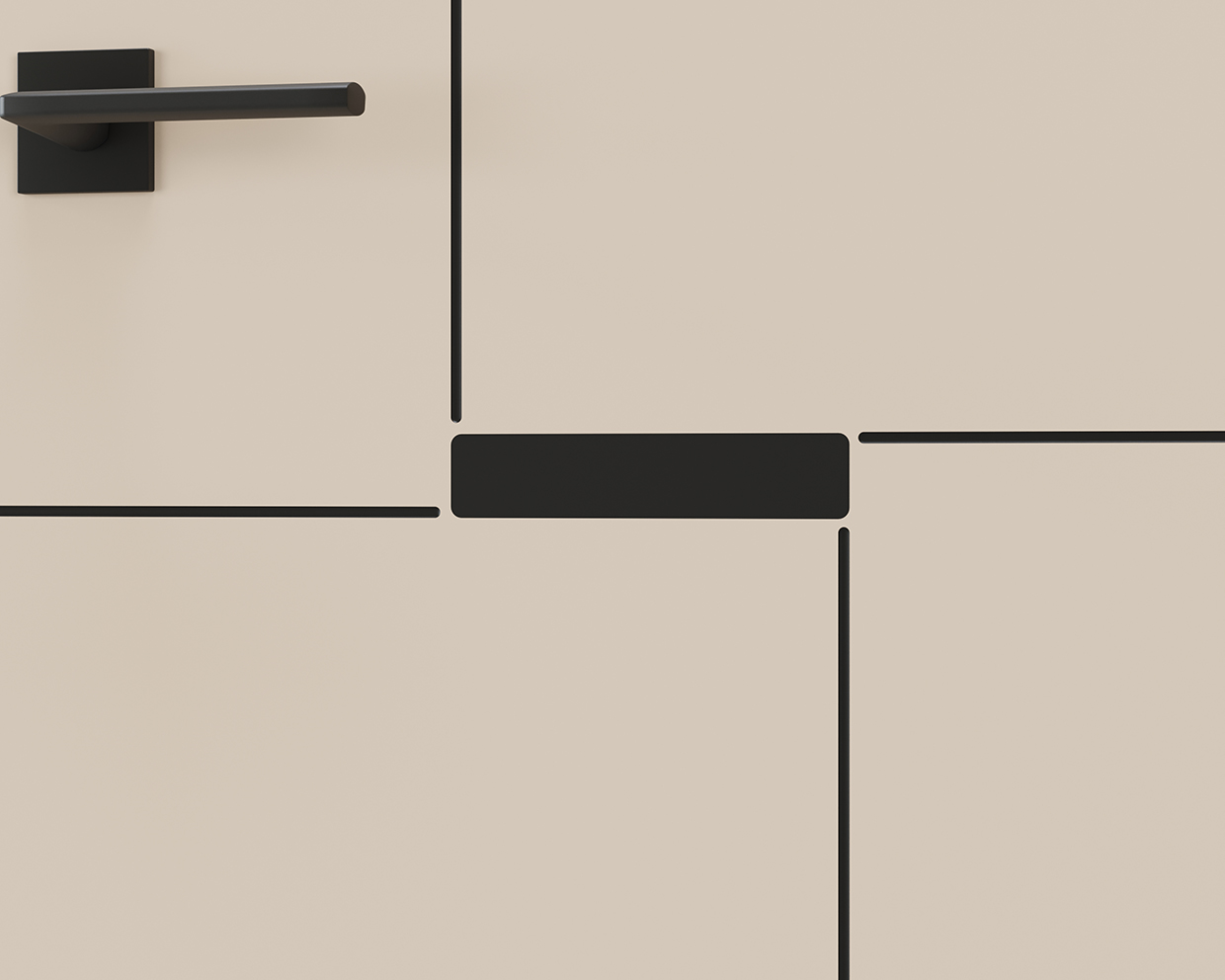
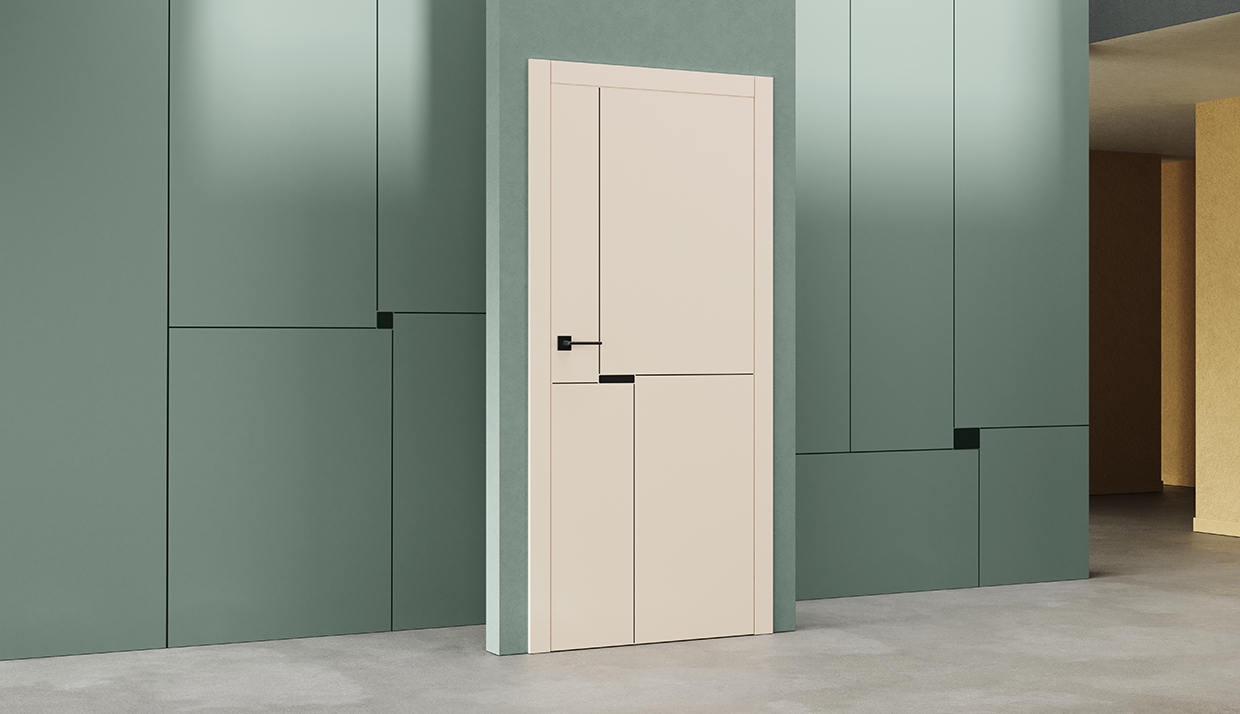
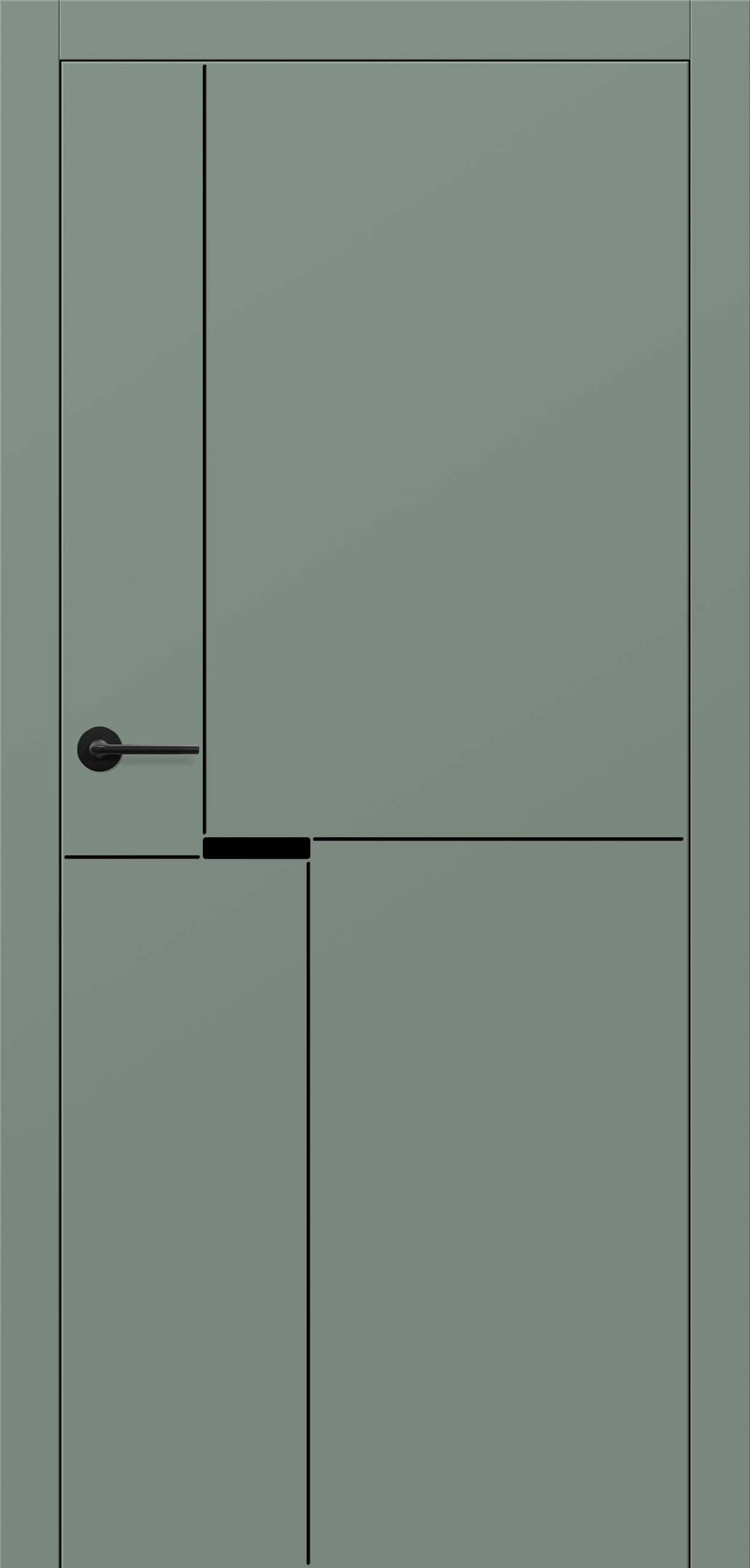
NAVAT Doors
What if the most interesting details were the ones that usually go unnoticed?
Instead of emphasising ornamentation, this design highlights the points where materials meet, the precision of the divisions and the way lines are arranged. In other words, the very elements that designers often try to conceal. The decorative detail of the door leaf emerges naturally from the separation of four surfaces and an exploration of proportion. Because trends change the surface. Proportions endure. The best designs are recognised not by the number of details they contain, but by the quality of a single one.
NAVAT.1
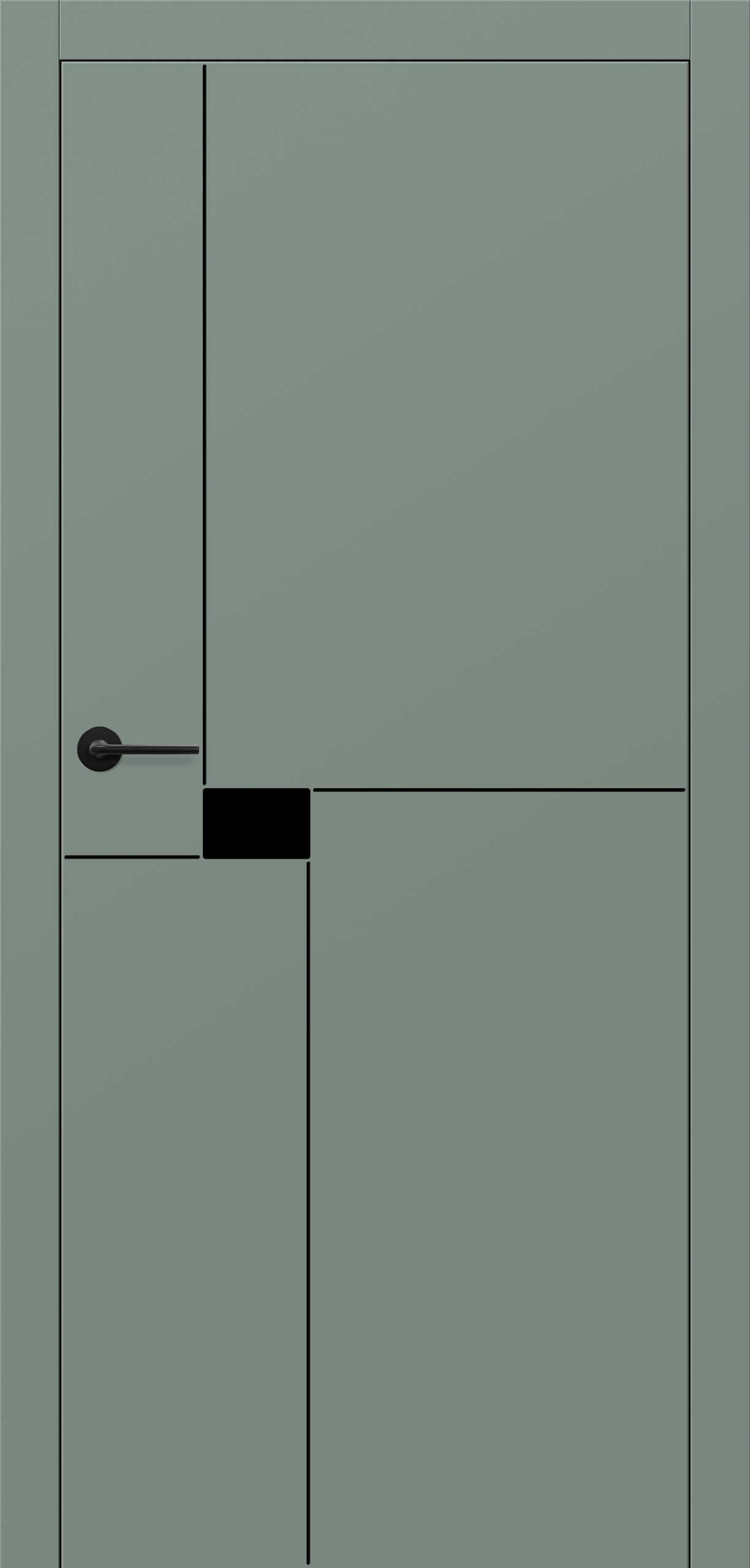
NAVAT.2
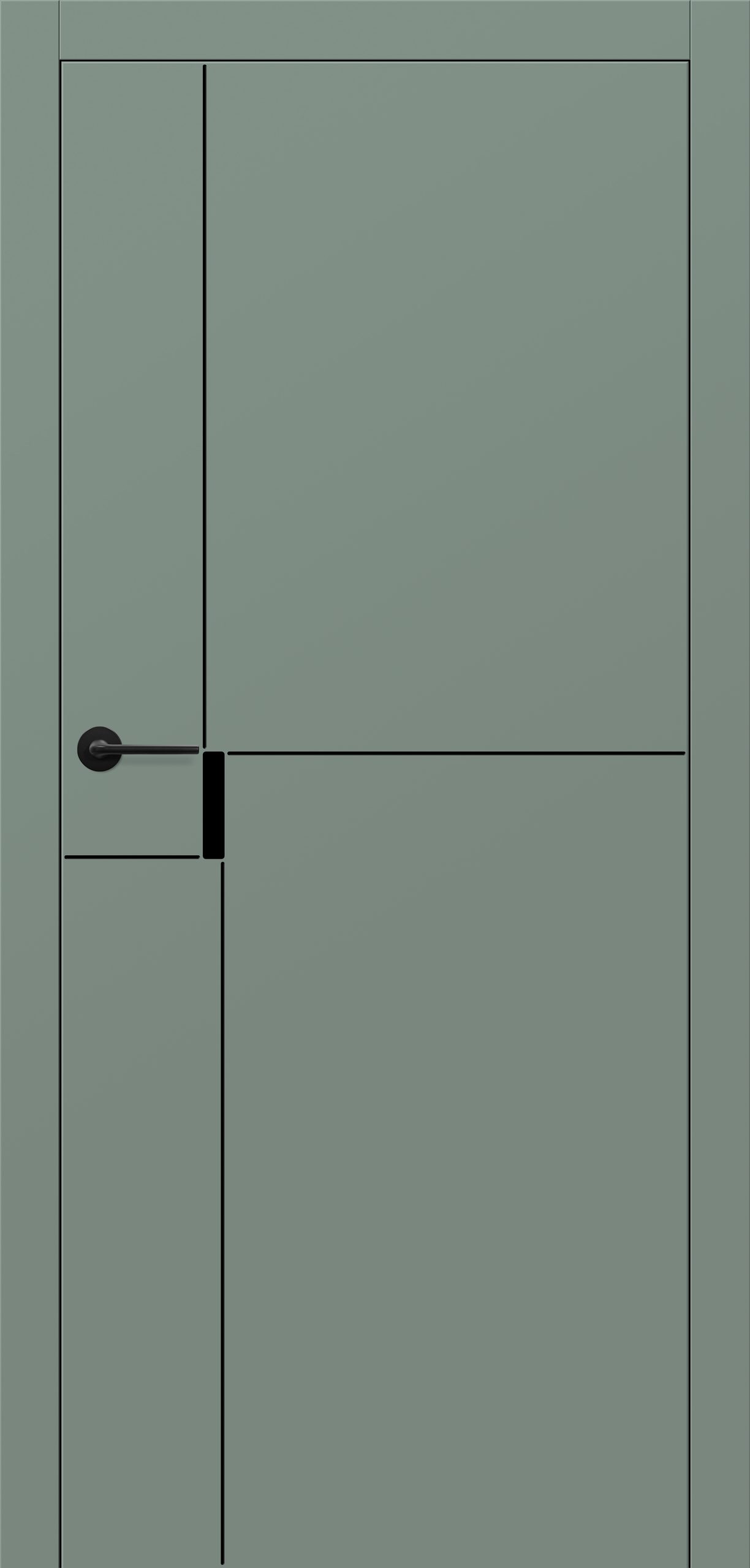
NAVAT.3
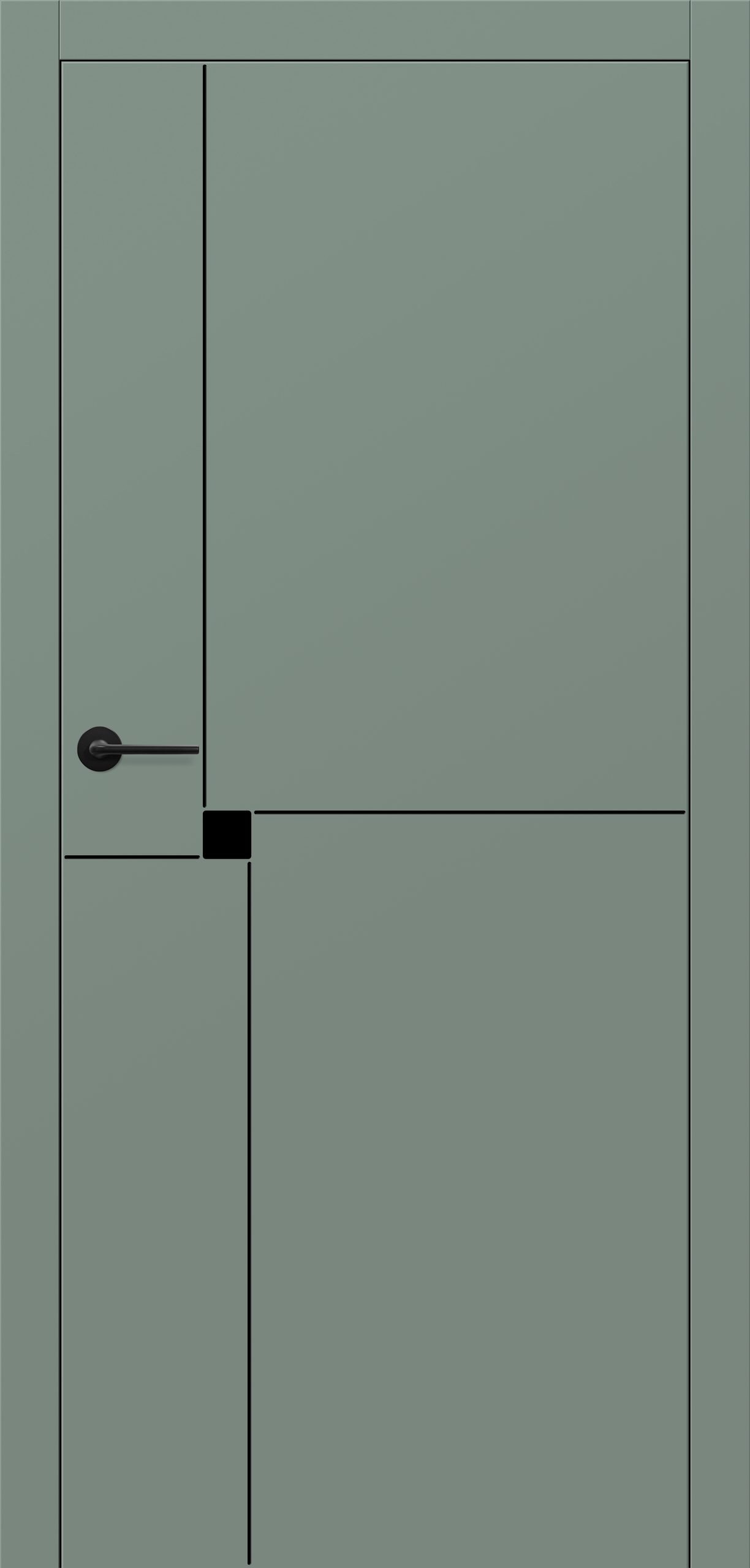
NAVAT.4

FLASK Doors
What if the character of a door was defined by just two points?
Some designs are remembered not for their scale, but for a single distinctive feature. The history of architecture shows that it is often the smallest elements that bring order to the largest compositions. These are the details that stay in our memory and make a design instantly recognisable. These doors were created with the belief that good design is as little design as possible. Two points meet the routed lines, defining the centre of the composition. Although small, they determine the entire pattern of the door leaf.


FLASK.1
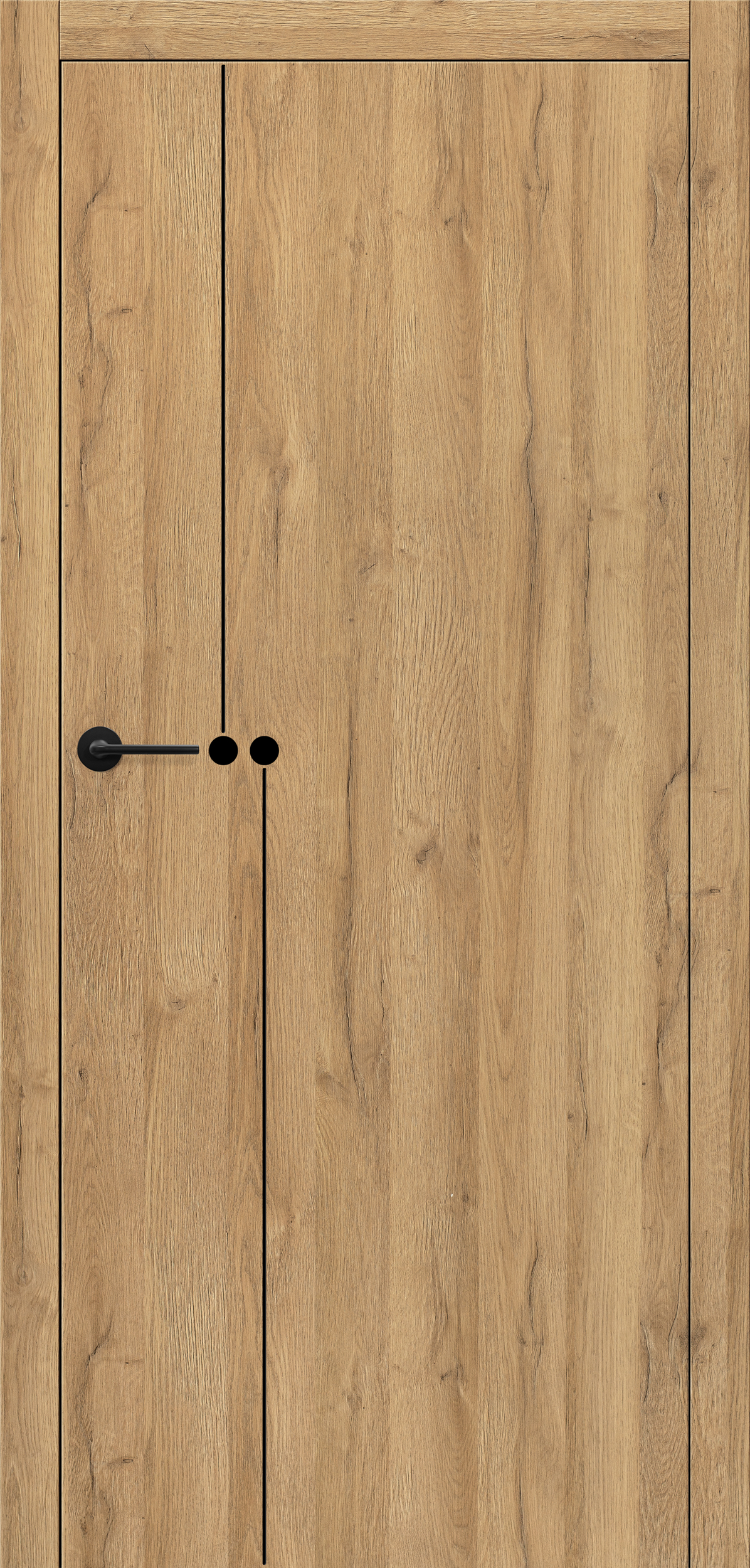
FLASK.2

FLASK.3

FLASK.4

GRID Doors
What if a flat surface could have depth?
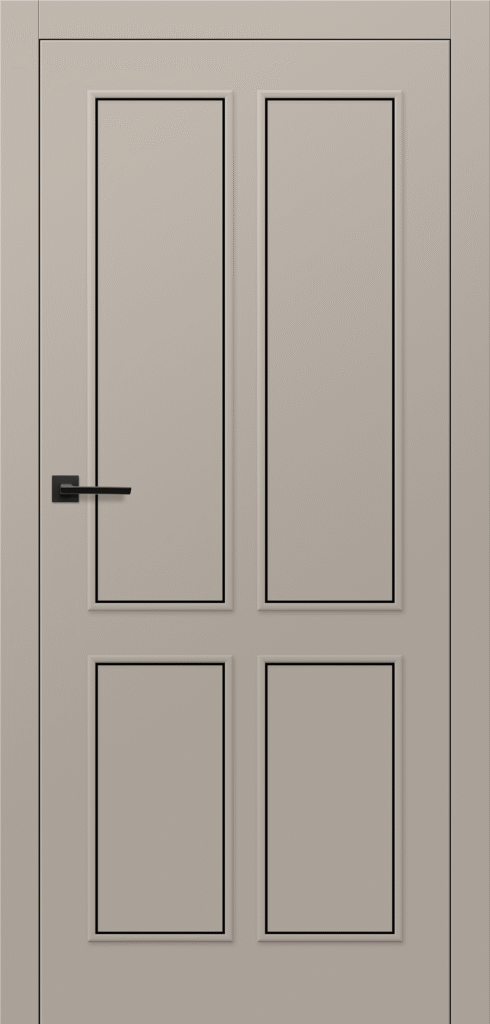
Architecture has always used light to shape form. It is neither the thickness of a surface nor the amount of decoration that determines how we perceive it, but the way light catches the edges and reveals proportions. This design was inspired by the same observation. Gently rounded frames and a recessed black gap create a subtle interplay of light and shadow. As a result, the flat door leaf gains a sense of depth not through the material itself, but through light.
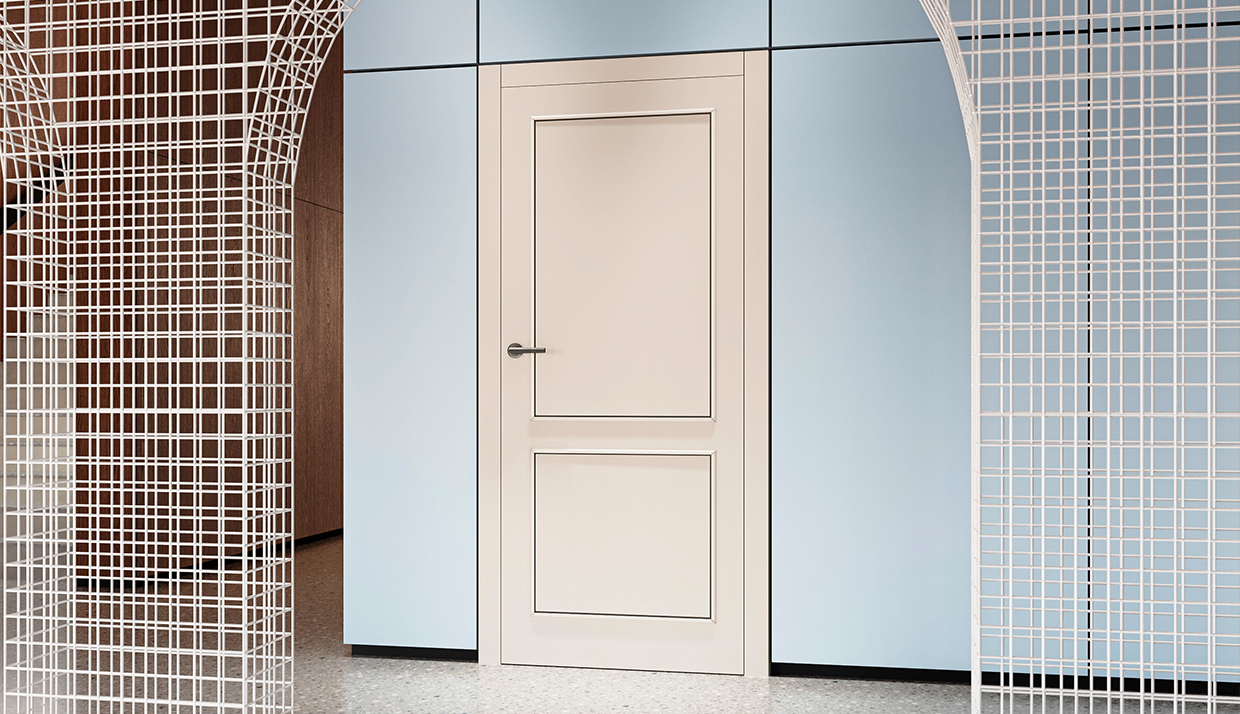
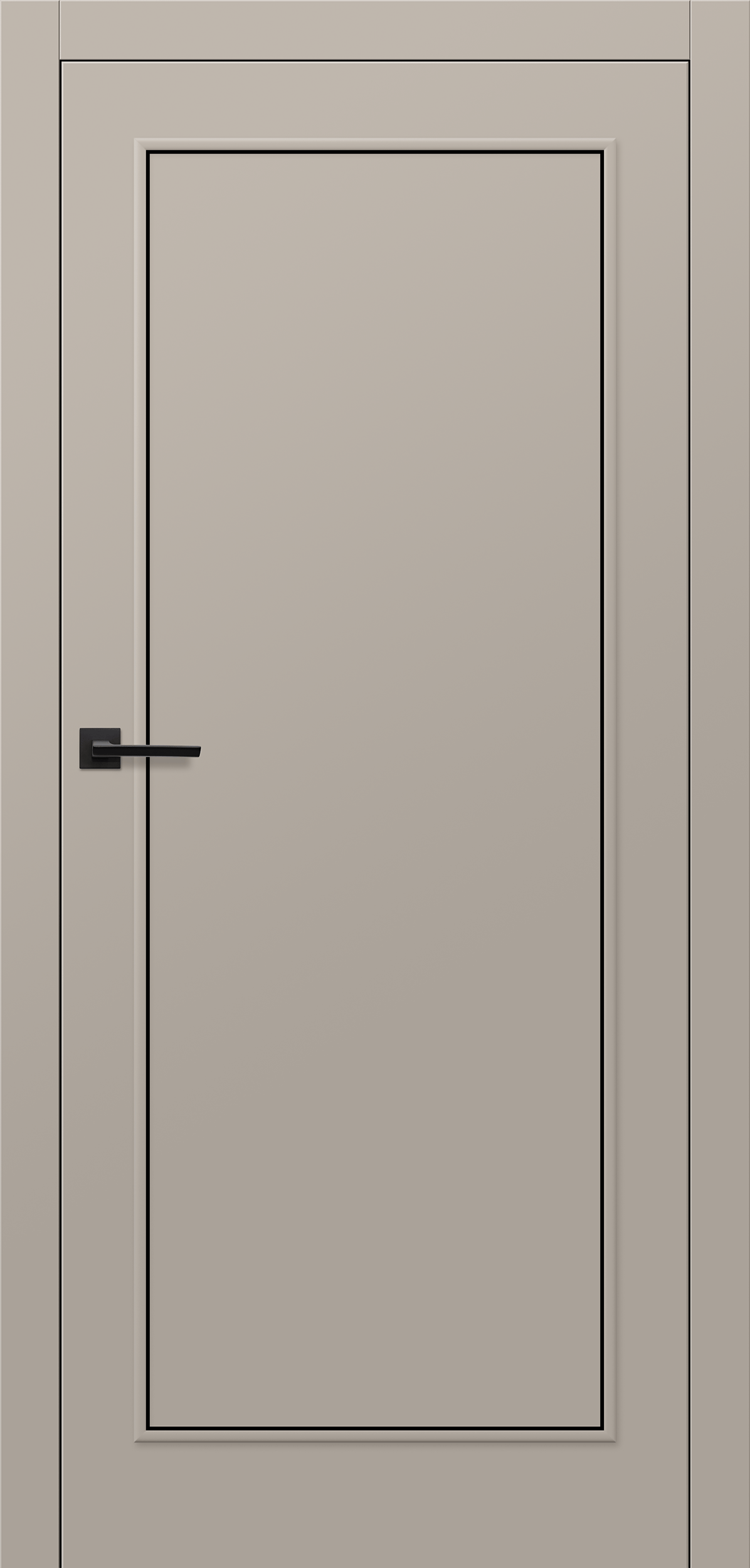
GRID.1
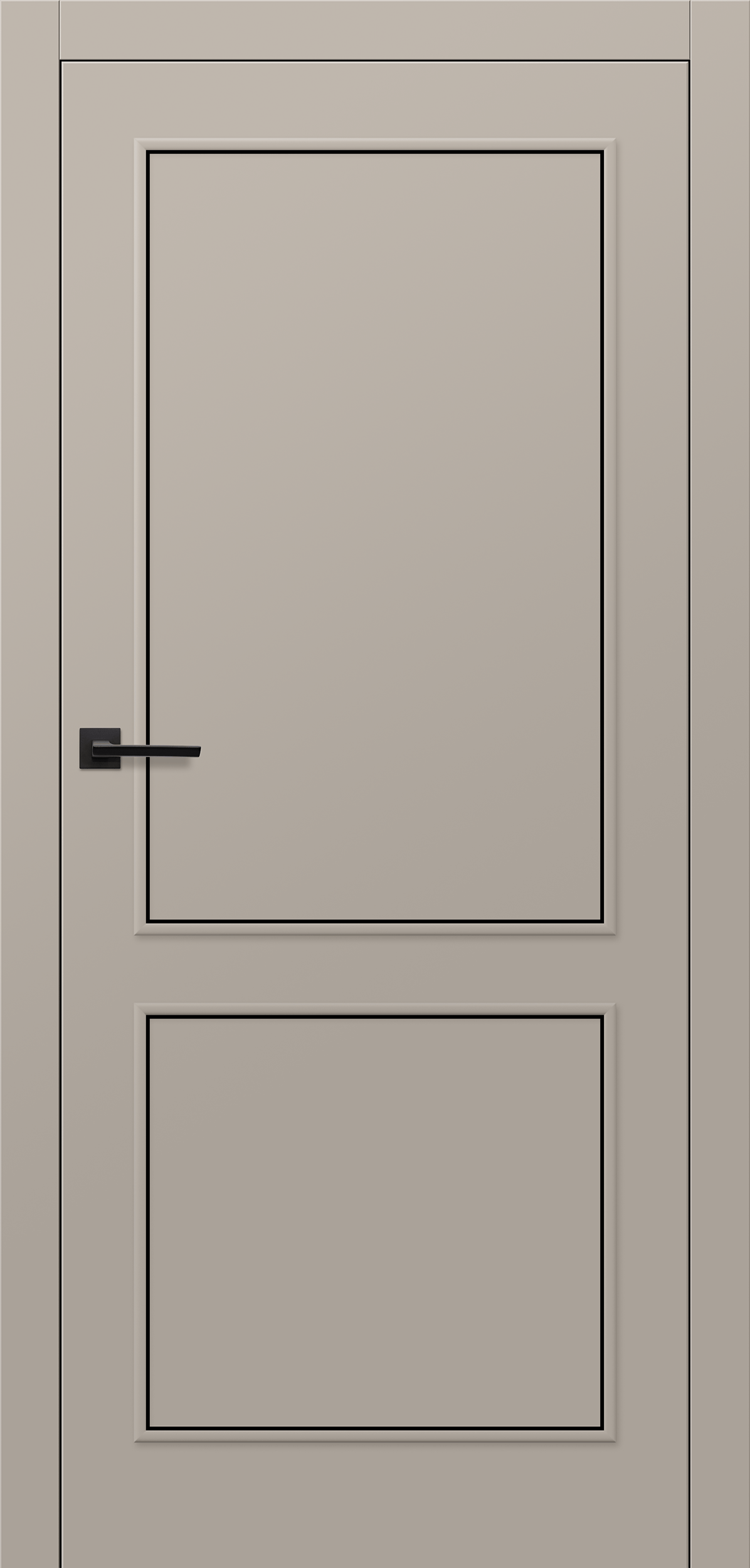
GRID.2
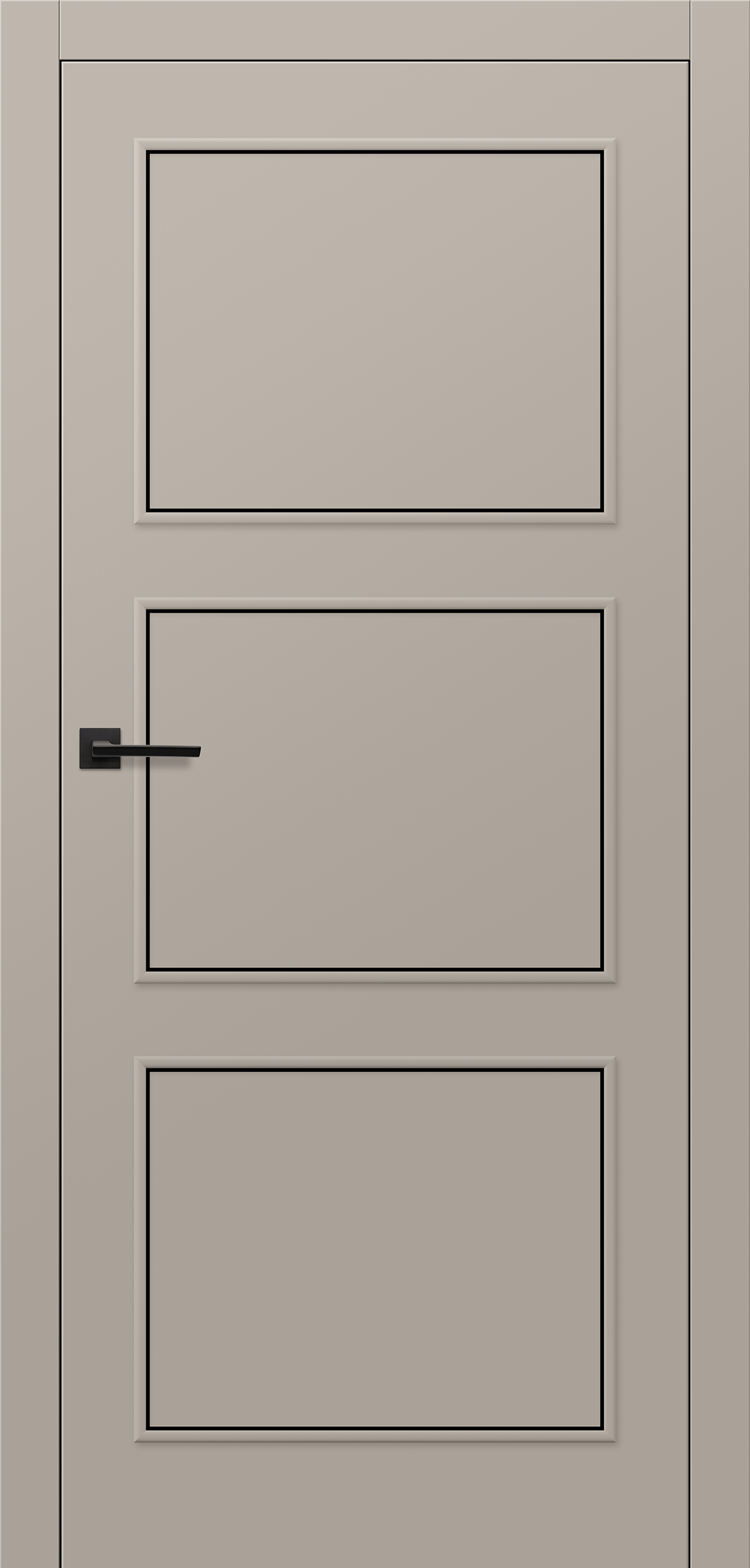
GRID.3
GRID.4