Eclectic interior – how to design it? Key features of eclecticism
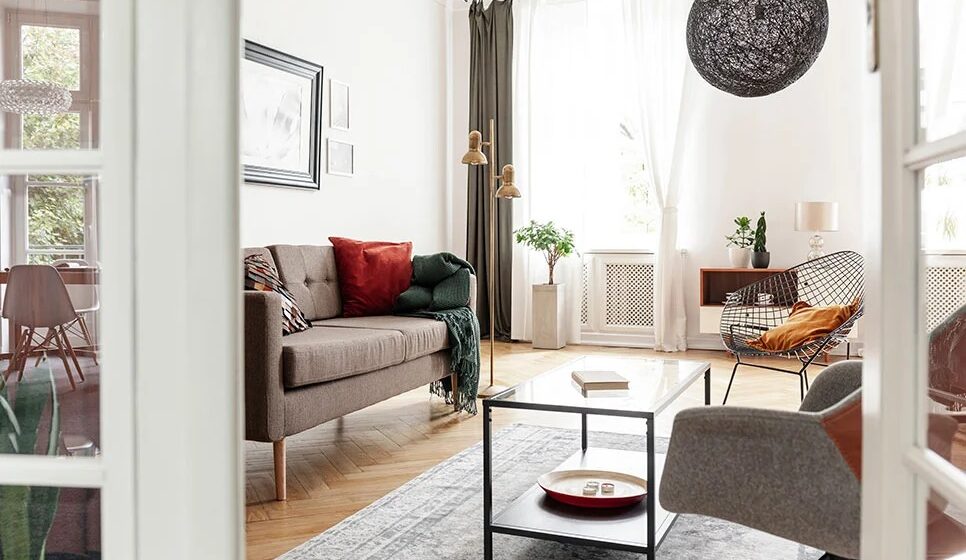
Eclectic style is a way of decorating interiors that consciously combines elements from different styles, eras and aesthetics into one coherent and harmonious whole. It is harmonious diversity and diverse harmony – a trend that lets you realise many original ideas, but requires moderation, a good eye and a guiding theme. Eclecticism is the ideal choice for people who dislike boredom, value individuality and thrive on constant change.
What does eclectic mean? A short history of the style
Eclectic means combining elements from different sources, and in interior design it means freely putting together furniture, accessories and styles from different eras into a well-thought-out, coherent whole. Before eclecticism found its way into interiors, it appeared in architecture – it flourished at the turn of the 19th and 20th centuries, and its premise was the free interweaving of elements from various historical styles. Over time, this creative openness spread to interiors, allowing for décor that follows no single template or rigid rules.
Eclectic style: key features
The defining feature of eclectic style is diversity held within a framework of harmony – the interior combines contrasting elements, yet still creates a coherent and well-thought-out whole. In short: there should be method in the madness.
Eclectic interiors break the rules and let you freely combine elements typical of different styles, but this is neither a random combination nor a jumble of objects from many trends. Such décor is carefully considered and, although it offers the greatest freedom of arrangement, it needs guiding themes that prevent the room from looking messy. It is a solution for creative, bold people who are open to unexpected ideas – artistic souls and lovers of diversity whose home is never “finally” finished. Eclecticism pulsates and changes, easily accepting another object, colour or texture, which is why photos, travel souvenirs and objects related to a passion or work have their rightful place in it.
Which styles and elements can be combined in an eclectic interior?
In an eclectic interior you can combine almost any styles – popular combinations include modern with vintage, Scandinavian simplicity with glamour, and industrial details with retro, Art Deco or relaxed boho. The key is for the combined aesthetics to share a common denominator, such as a recurring colour, material or texture.
Mixing furniture from different eras works well: simple Scandinavian forms can be enlivened with a vintage armchair or a shiny glamour accessory, while industrial metal can be softened with the warmth of natural wood. Eclecticism is also a favourite meeting place for antiques and objects “with a soul” and the achievements of contemporary design. The base is often one strong element – brick, wood, wallpaper or patchwork textiles dominating the interior – with which the rest of the arrangement has to harmonise.
Colours and accessories in eclectic style follow the principle of contrast tamed by a neutral base. Against a calm, usually white background, you can afford stronger accents: a colourful rug, patterned cushions, a gallery of prints or a single striking piece of furniture. Accessories from different eras – a retro lamp, a brass candlestick, ceramics brought back from travels – build character and a personal touch, as long as they are tied together by a common colour or material.
How to keep interiors full of contrasts coherent?
To keep an eclectic interior coherent, choose one guiding theme and base the arrangement on a neutral background – classic white works best. The whole art lies in not crossing the thin line between freedom of arrangement and the impression of a cluttered interior without an idea.
The guiding theme can be a dominant style, but also a material, texture or pattern – let it be the base with which the other elements harmonise. Maintain balance and avoid exaggerated, over-the-top contrasts. Decorate creatively while keeping moderation, and regularly check whether the room feels like an interesting, varied interior or rather overwhelming. If the latter, take a closer look at the styling and consider what there is too much of and what is worth adding to calm the whole thing down a little.
Eclectic style in the living room and other rooms
Eclectic style develops most fully in the living room, where against a light background you can combine a modern sofa with a vintage armchair, a wooden chest of drawers and a gallery of pictures on the wall. In the bedroom, eclecticism tends to be more subdued – a calm colour base, textiles with different textures and a few personal accessories work well here. In the kitchen or dining room, the eclectic character can be emphasised by chairs from different sets connected by a common colour or material.
See also: Boho style – how to design an interior in this style and which doors to choose?
Eclectic doors: the quiet hero of the interior
In an eclectic interior, doors should be a discreet background rather than another strong accent – white, versatile models work best, as they fit in no matter how often the décor changes. Since a lot is already going on in such a room, the door should play the role of a quiet hero: important and functional, but very discreet.
Among Erkado models, door leaves that always look good are a great choice: the more solid Nemezja 12 or the partially glazed Nemezja 7. If you want more light and to make the space look bigger, choose Nemezja 13, its lacquered version, or Nemezja 9 doors with decorative bevelled panels. When colour reigns in the room and you want to boost the variety, an original choice is the Orchidea 5 model, which will become the common denominator of the whole arrangement.